
Every second, someone somewhere is connecting to the internet. It’s exciting! But it’s also risky. Cyberspace today is like a wild digital jungle. There are great adventures… and a few sneaky traps along the way.
TLDR:
The cybersecurity world is busier than ever. With more people online, threats are growing fast. Hackers are getting smarter, but so are the defenses. Still, we all play a role in keeping the internet safe.
The Digital World We Live In
We use the internet for almost everything—shopping, chatting, working, even dating! But every click you make can be tracked. From smart watches to baby monitors, everything is getting connected. This is called the Internet of Things or IoT.
Great, right? Well, sort of. As we plug in more devices, hackers see more opportunities. If a simple smart lightbulb isn’t secured, it could be used to hack a network.
This means more gadgets = more doors for cybercriminals.
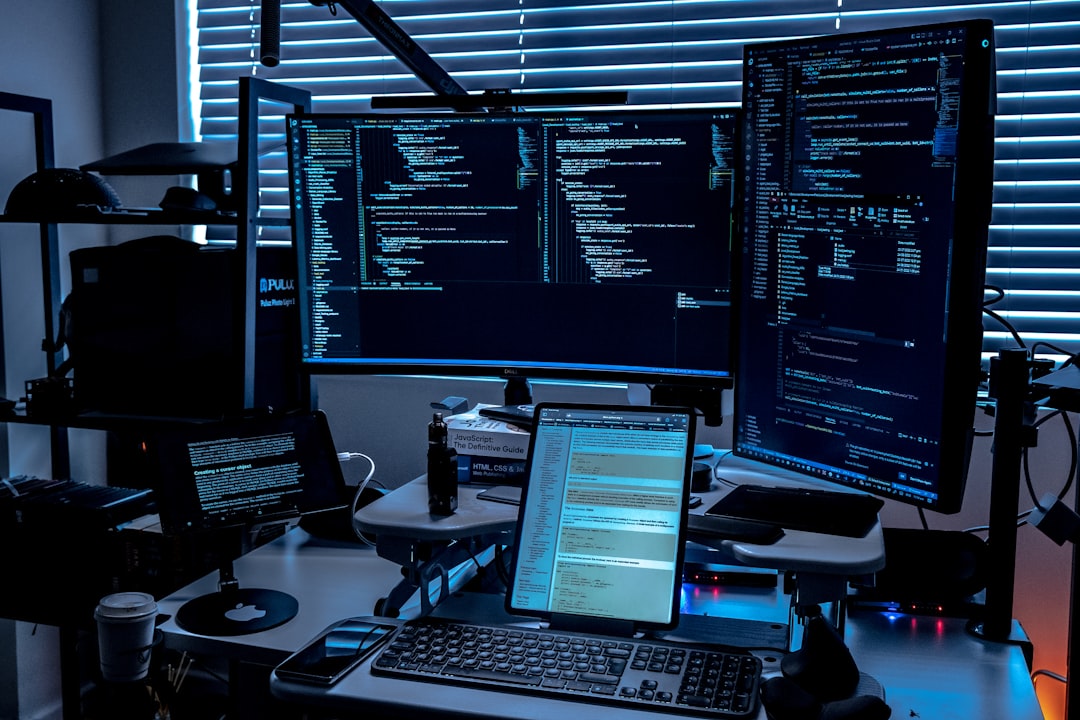
Types of Cyber Threats You’ll Hear About
Let’s break down the most common digital villains.
- Phishing: Fake emails or messages trying to trick you into giving away passwords.
- Ransomware: Hackers lock your data and demand money to unlock it.
- Viruses: These infect your device and can do some serious damage.
- DDoS Attacks: Websites get flooded with traffic to crash them.
- Man-in-the-Middle Attacks: Someone intercepts data between you and the website.
Scary? A bit. Avoidable? Absolutely!
So, What’s the Current State?
Cybersecurity today is a game of cat and mouse. Hackers develop new tricks. Cyber experts create new defenses. It never stops!
Let’s look at the latest trends:
1. Ransomware is Booming
In 2023, ransomware attacks hit new records. Big companies, hospitals, and even small businesses were targeted. Hackers don’t care who you are—they care if you’ll pay up. Some attacks caused chaos in cities!
2. AI is Changing Everything
AI helps both sides. Hackers use it to write better phishing emails. Defenders use it to spot weird behavior and stop threats fast. AI is now at the heart of cybersecurity battles. It’s a supertool for everyone, good or bad.
3. Cybercrime-as-a-Service
Yes, you read that right. There’s a whole “underground market” where people can buy hack tools or rent a hacker. It’s like Amazon, but for crime.
4. Governments Are Getting Involved
Countries now understand cybercrime is a big deal. They’re forming laws, groups, and task forces. Cyber defense is now part of national defense. Some even train “cyber soldiers.”
The Vulnerability of Us: The Human Factor
People forget passwords. People click on weird links. People use “123456” as their password. This is called the human factor, and it’s a huge reason why breaches happen.
Cyber experts say: the best tech won’t save you if your people aren’t careful.
So companies are focusing on training. Simple tips like:
- Don’t click unknown links
- Use multi-factor authentication (MFA)
- Keep your software updated
- Use strong, unique passwords
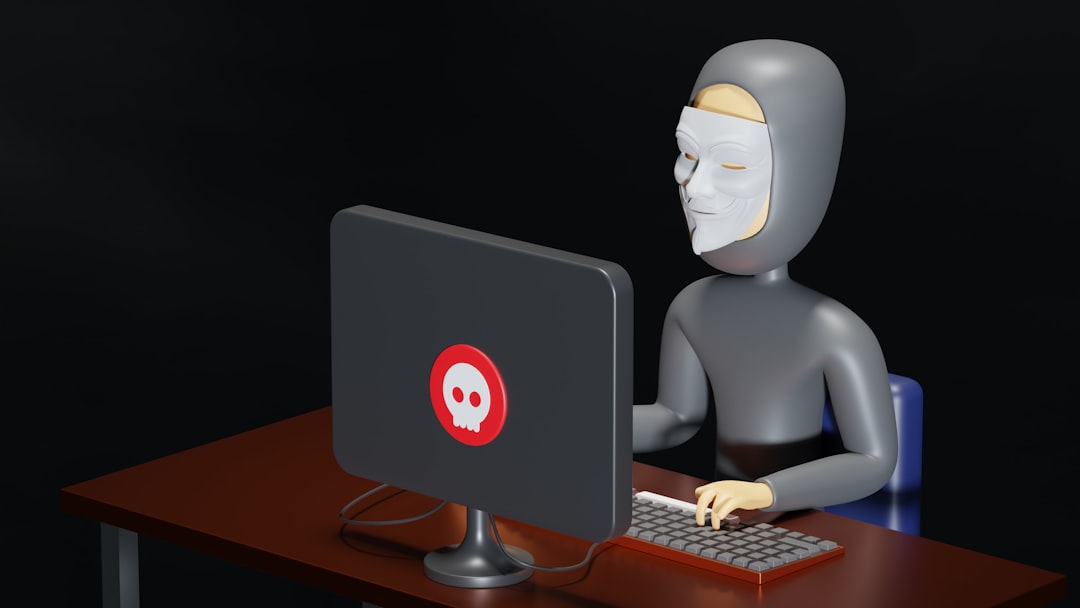
The Everyday Hero: You
Yes, YOU can help defend cyberspace. No need to wear a cape, just follow smart habits:
- Update everything: Phones, laptops, apps—keep them fresh.
- Use antivirus software: There are free and paid options.
- Check links before clicking: If it feels off, it probably is.
- Use a password manager: It keeps track of your passwords safely.
Think of it like brushing your teeth—boring but necessary! Good hygiene = fewer cavities (or in cyber terms, breaches).
What’s Coming Next?
The future of cybersecurity is full of both challenges and hope.
1. Quantum Computing
It’s not here yet, but it’s coming. Quantum computers could break today’s encryption in seconds. But cybersecurity experts are preparing. They’re building what’s called quantum-resistant encryption.
2. Stronger Global Partnerships
Hackers don’t stop at borders. So countries are working together more. They share info, tools, and tips. That united front is making it harder for crime to hide.
3. Better User Experience
Security doesn’t have to be a pain. New tools are making it easier and smoother. Think facial recognition, fingerprint login, and passwordless systems.
4. Educating the Next Generation
Cybersecurity is now taught in many schools. Kids are learning to code, secure networks, and even take part in ethical hacking competitions. They’re the digital defenders of tomorrow.
Final Thoughts
Cybersecurity isn’t just a job for techies. It affects all of us. From your grandma’s tablet to your work laptop—everything is a target.
But knowledge is power. The more we understand risks, the safer we all are.
The internet isn’t scary when we all do our part to protect it 💻🛡️