
Creativity is not an elusive gift reserved for a chosen few. It’s a vital skill that anyone can nurture and develop with the right habits and mindset. Whether you’re an artist, entrepreneur, student, or simply someone looking to inject more originality into your life, finding ways to boost your creativity and tap into daily inspiration is both possible and rewarding.
TL;DR Summary
To boost creativity and stay inspired daily, it’s essential to cultivate habits that help spark new ideas, such as exposing oneself to diverse environments, practicing mindfulness, and surrounding oneself with curious people. Keeping a journal, limiting distractions, and embracing failure as a part of the creative journey can keep the spark alive. Daily inspiration can be found in ordinary places—from conversations to nature walks—by paying closer attention and shifting perspectives. This dynamic approach makes creativity more accessible and sustainable for anyone.
1. Cultivate a Creative Routine
Creativity thrives on consistency. While spontaneous bursts of inspiration are thrilling, having a regular routine that allows space for creative expression is more sustainable. Setting aside even just 20–30 minutes every day for mindful thinking, writing, sketching, or experimenting with ideas can create an essential rhythm.
Examples of creative rituals include:
- Morning journaling or “morning pages”
- A daily nature walk with no devices
- A quiet evening practice of reflection or ideation
2. Seek Inspiration in the Ordinary
One of the biggest misconceptions about creativity is that it comes from rare, profound experiences. In reality, many great ideas are born from observing everyday life with fresh eyes.
Paying attention to the little things—like the rhythm of footsteps, snippets of overheard conversations, or the emotion behind a stranger’s facial expression—can lead to valuable insights or story prompts.
Try practicing mindful observation during ordinary tasks such as doing the dishes, commuting, or grocery shopping. Ask yourself:
- What do I see or hear that most people might miss?
- What does this moment remind me of?
- How could this situation be interpreted in a novel way?

3. Change Your Environment
Staying in one space too long can stifle new ideas. Switching up your surroundings—whether that means working from a new coffee shop or moving furniture around in your home office—can fuel your brain’s ability to connect ideas differently.
“Environmental variety introduces novelty,” psychologists say, and a novel environment can nudge the brain into pattern recognition, essential for creative thought.
Consider rotating your creative workspace every few weeks or bringing in sensory stimuli like scent, sound, or texture to influence mood and thinking. Even a short walk in a park or a visit to a museum can wake up dormant inspiration.
4. Embrace Creative Constraints
Oddly enough, limitations can enhance creativity. When people are restricted by time, resources, or format, they tend to think more innovatively to work within their challenges. This phenomenon, often called “creative constraint,” pushes people to break conventional thinking.
Try these exercises to benefit from constraints:
- Write a story in only six words
- Finish a creative project within a 10-minute timer
- Use only two colors for an illustration
5. Surround Yourself With Curious Minds
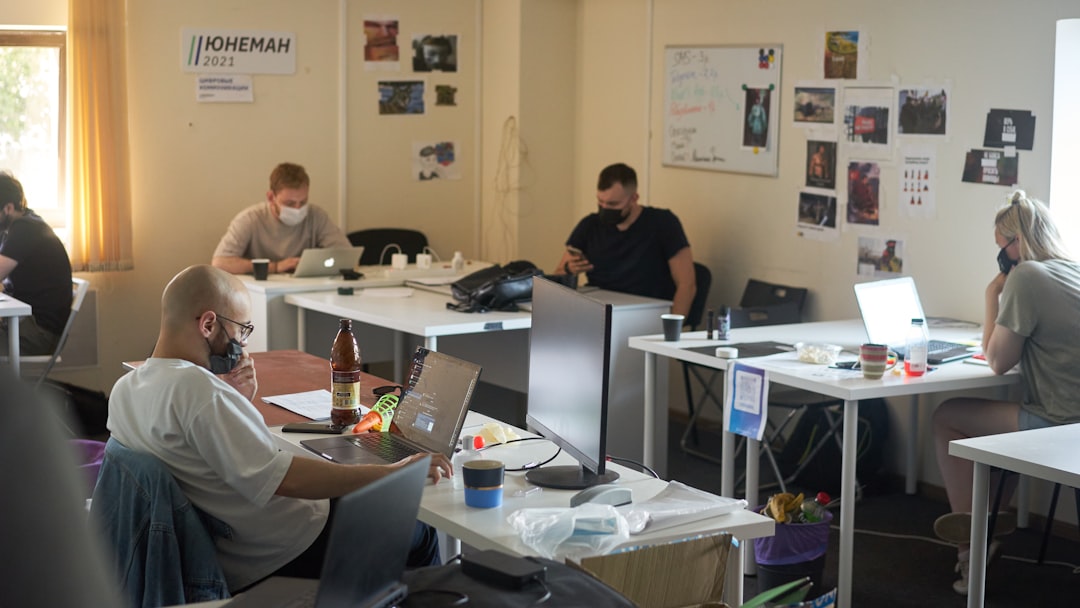
Creativity tends to flourish in community. Surrounding oneself with people who ask questions, experiment with ideas, and view the world with curiosity creates an inspiring atmosphere. Whether it’s a creative mastermind group or an informal book club, intellectual stimulation from others helps push personal boundaries.
Ways to build a creative circle:
- Join a local workshop or online creative group
- Attend talks, open mics, or innovation meetups
- Initiate collaborative projects with friends or colleagues
Even casual conversations about life’s strange, funny, or challenging moments can become seeds for your next big idea.
6. Keep a Creativity Journal
Writing down ideas—no matter how unfinished or out-of-the-box—helps in retaining inspiration and promoting reflection. A creativity journal can be a mix of sketches, quotes, random thoughts, dreams, music lyrics, or even magazine clippings. It serves as both a wellspring and a mental playground.
Reviewing past entries can remind you of patterns in your thinking and offer sparks you didn’t use when they first came up. It becomes, essentially, a catalog of your evolving creative self.
7. Limit Distractions and Multitasking
Creativity flourishes in focused states. Constant notifications, obligations, or attempts to multitask scatter energy and attention. Scheduling intentional, uninterrupted time allows the brain to enter a state of “flow,” where ideas can be explored deeply and original thinking surfaces.
Apps like Forest, Freedom, or Pomodoro timers can help build mindfulness of how your time is spent. Even short sessions of deep work—20 to 45 minutes—can be powerful sparks for innovation.
8. Let Yourself be Bored
In the digital age, boredom is often avoided at all costs—but it’s in these quiet, unengaged moments that some of the brain’s best creative work begins. Boredom gives the mind space to wander, make connections, or question problems differently.
Instead of filling every spare moment with scrolling or noise, consider embracing intentional boredom for creative fuel. Go for a walk without headphones. Sit in a café and observe. Take a long shower with no agenda or distractions.
9. Celebrate Failure as Creative Feedback
Creative thinking involves risk—and with that risk comes the possibility of failure. However, each failure is also a form of feedback. Instead of seeing a failed idea or broken piece of writing as the end, it can be analyzed and reimagined in useful ways.
Questions to ask after a creative set-back:
- What worked and what didn’t?
- What assumptions did I make?
- How can I reframe this attempt?
Some of the most revolutionary inventions started as mistakes. The key is staying curious and open to learning.
Conclusion
Creativity isn’t about waiting for lightning strikes of genius. It’s a muscle, strengthened by consistent use, openness, and attention to the world around us. By establishing healthy creative habits, embracing imperfection, and seeking inspiration in unlikely places, anyone can tap into their innate well of ideas. The world is rich with creative cues—you just have to slow down enough to notice them.
Frequently Asked Questions
- Is creativity something you’re born with or something you can develop?
- While some people may naturally lean toward creative thinking, creativity is a skill that anyone can develop through practice, curiosity, and the right environment.
- What are some quick ways to boost creativity when I’m feeling stuck?
- Try going for a walk, changing your work environment, engaging in a different activity like drawing or dancing, or reviewing your creativity journal for past ideas.
- How can I stay creative while managing a busy schedule?
- Use micro-moments during the day—commuting, breaks, or even waiting in line—to mentally explore ideas. Establish a simple daily ritual, even if it’s just 10 minutes of journaling or sketching.
- What are some good books or resources for boosting creativity?
- Books like “The Artist’s Way” by Julia Cameron, “Big Magic” by Elizabeth Gilbert, and “Steal Like An Artist” by Austin Kleon are excellent staples for creative inspiration.
- Can technology help or hurt creativity?
- Technology can enhance creativity if used as a tool rather than a distraction. Digital art, music-making apps, or AI tools can be incredibly inspiring—but constant digital noise can also drain focus if not managed carefully.