
In the galaxy of design, every Jedi was once a Padawan. If you’re just starting out in design—or even a few years in—you might feel like you’re navigating a strange alien world. Fonts, grids, UX, feedback… it’s a lot! That’s where a mentor comes in. Like a Jedi Master guiding a young learner, mentors help bring clarity to the chaos.
TL;DR: Mentorship in design is like having a wise guide by your side. It helps new designers grow faster, avoid common mistakes, and build confidence. Mentors share real-world experience and offer feedback that no textbook can provide. Whether you’re the student or the teacher, everybody wins.
Why Mentorship Matters
Design isn’t just about color palettes and logos. It’s about solving problems and communicating. These are skills learned best through experience.
A mentor has been there, done that. When you work with one, you get:
- Feedback: Honest, helpful advice on your designs.
- Support: Someone to talk to when things get confusing.
- Direction: Help with setting goals and reaching them.
- Perspective: A broader view of the design field.
Imagine trying to fight the Sith with no lightsaber training. Sounds rough, right? Starting a design career without guidance can feel just as overwhelming.
How Mentorship Works
Mentorship doesn’t have to be formal. It’s not all clipboards and yearly reviews. In fact, some of the best mentorships happen over coffee chats or Zoom calls.
Here are some common mentorship styles:
- One-on-One: Regular chats with a mentor on your progress.
- Portfolio Reviews: Getting detailed feedback on your work.
- Project-Based: Working together on a real design project.
- Quick Check-Ins: Occasional support, like a design emergency hotline.
Good mentors ask questions. They don’t just give answers. They want you to think for yourself, not just copy what they do.

What Makes a Great Mentor?
Not all Jedi Masters are wise—some just have cool robes. A great design mentor has specific traits.
Look for someone who:
- Listens. They care about your ideas and feelings.
- Explains clearly. No jargon, just brain-friendly tips.
- Encourages you. They build your confidence.
- Gives real feedback. They’re kind, but honest.
- Has time. You need someone who can actually show up.
It’s okay if your mentor isn’t super famous. What matters is that they want to help you grow.
Being a Great Padawan
Mentorship only works if you’re ready to learn. Don’t sit back and wait to be spoon-fed knowledge.
Here’s how to get the most out of your mentorship:
- Ask questions. Even “silly” ones.
- Be open to feedback. Don’t take it personally.
- Practice. Apply what you learn in your work.
- Show progress. Share updates so your mentor knows how to help.
Think of yourself like a sponge. Soak up the wisdom, and squeeze it out in your designs.
Finding a Mentor
So where do you find this magical design mentor?
Here are a few lightsaber-worthy paths:
- Design communities. Join groups on Slack, Discord, or LinkedIn.
- Design events. Attend meetups, workshops, and conferences.
- Online platforms. Try platforms like ADPList, MentorCruise, or Dribbble.
- Your network. Ask a former professor, a colleague, or that cool designer you admire.
Don’t be afraid to reach out. Most people love being asked to share their wisdom.
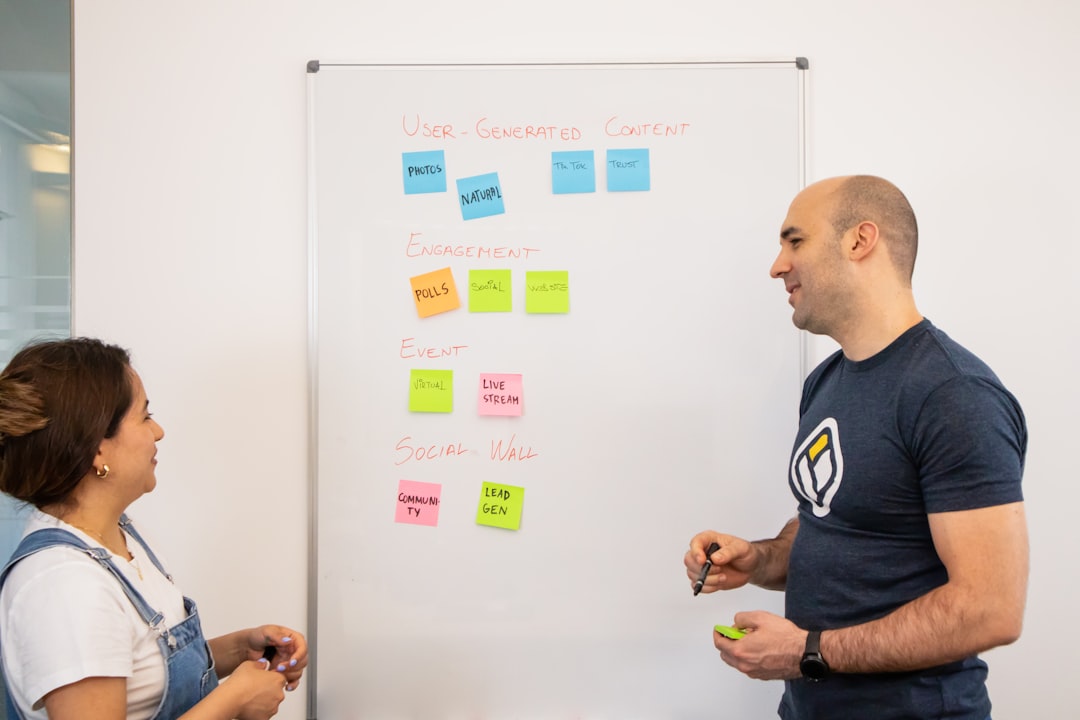
What If You Want to Be a Mentor?
Maybe you’re not the Padawan anymore. Maybe you’re ready to become the Jedi Master.
Being a mentor is rewarding! You get to:
- Help shape new talent.
- See design from fresh eyes again.
- Build leadership skills.
- Give back to the community.
You don’t need 20 years of experience. If you’ve been in design a few years, there’s already a lot you can share.
Examples of Mentorship Magic
Still not convinced? Check out these real-world wins from mentorship:
- Sarah, a junior designer, got her first big UI/UX job after three months of weekly calls with her mentor.
- Jason, a mentor, said teaching a student helped him rediscover his love for typography.
- Amira found her design voice after getting portfolio reviews from three different mentors.
Mentorship isn’t just helpful. It’s transformational.
Let the Force of Feedback Guide You
Design is a journey. It’s filled with droids, distractions… and delayed client feedback. But with a mentor, it doesn’t have to be lonely. They can help you stay focused, motivated, and inspired.
You’ll learn faster. You’ll skip those rookie mistakes. Most of all, you’ll feel like you belong in the design universe.
So, Young Padawan…
Whether you’re still figuring out where Figma hides the alignment tools or practicing your first logo sketches, find your Obi-Wan. Or be one for someone else.
Mentorship in design creates a ripple effect. One conversation at a time, we all level up.
And hey, isn’t that what being a Jedi is all about?