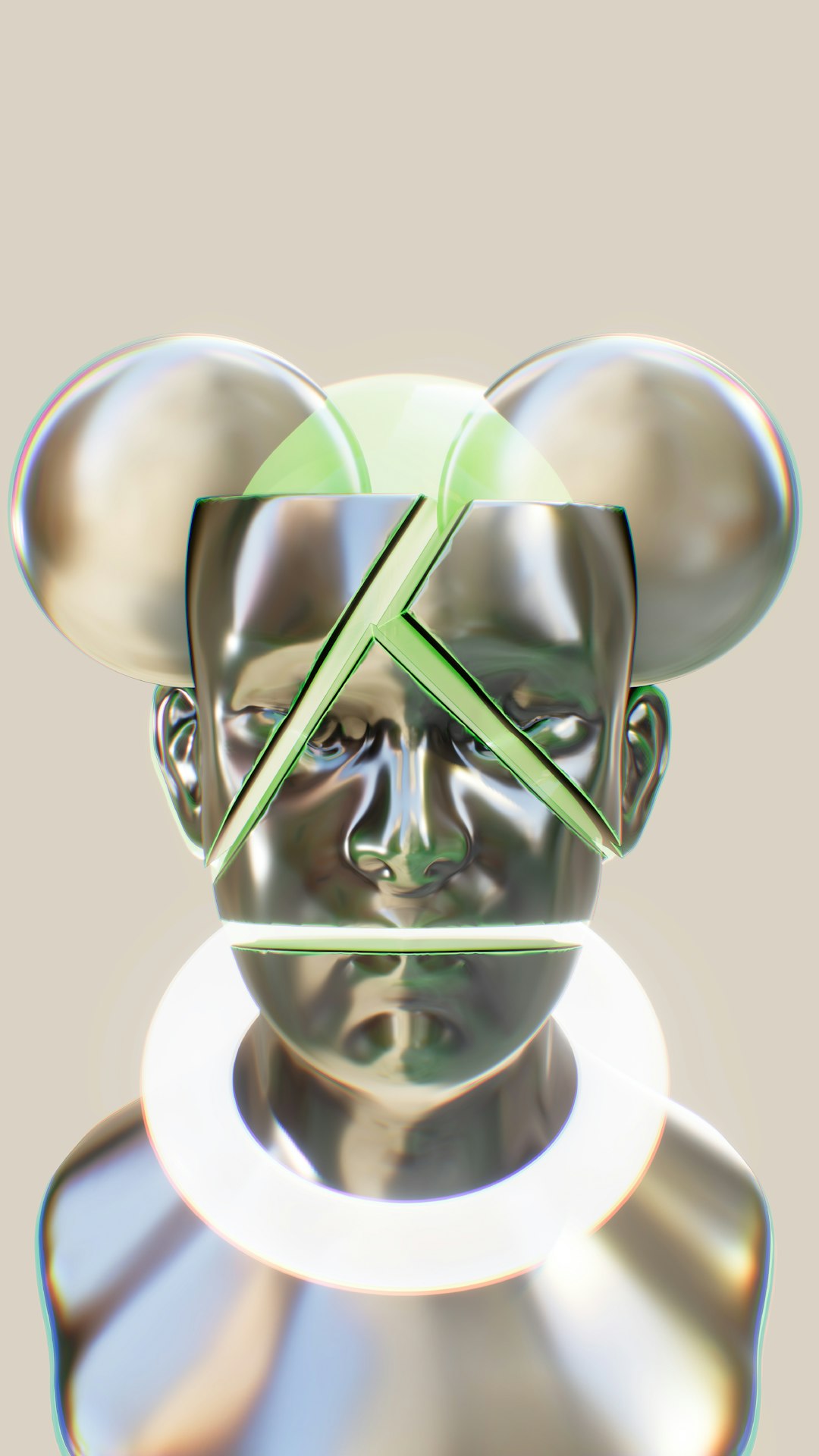
Avatars are popping up everywhere—from video games to work apps. They’re a cool mix of tech and personality. UX avatars let users feel seen, have fun, and express who they are. But why are they actually important?
TL;DR: UX avatars help users feel more connected to digital platforms. They allow customization, self-expression, and fun. A good avatar system boosts user engagement. Plus, who doesn’t enjoy picking their favorite hairdo or outfit?
So, What Exactly Is a UX Avatar?
A UX avatar is a digital representation of a user inside an app or platform. Think of it as your little digital twin hanging out in a virtual world. Avatars can be cartoonish, realistic, cute, abstract—anything really!
These avatars show up in:
- Social apps (like Bitmoji or Facebook)
- Gaming worlds (like Fortnite or Roblox)
- Work platforms (like Microsoft Teams’ avatars)
- Fitness apps, learning tools, and more!
Why Do People Love Custom Avatars?
Because they’re fun! But also, because customization is a powerful form of expression. It gives users control.
Here are some reasons avatars feel awesome:
- Self-Representation: People love seeing something that looks like them—or how they imagine themselves.
- Safety: Avatars can serve as masks in public or online spaces, letting users feel safe and comfy.
- Creativity: Want purple skin? Rainbow hair? A pet dragon backpack? Go wild!
- Identity: Users can show cultural symbols, disabilities, gender identity, and more through their avatar.

Designing a Good Avatar System
Okay, now that we know avatars are cool, let’s talk about making them. A good UX avatar system needs a few key ingredients.
1. Easy Customization
Keep the options simple but meaningful. Don’t overwhelm users with a million sliders. Offer presets, categories, and visual previews.
2. Inclusive Options
This is huge. Include:
- Different skin tones and body types
- Hairstyles from various cultures
- Gender expression options and pronouns
- Assistive devices like wheelchairs or hearing aids
The more inclusive your design, the more users will feel seen.
3. Personalization with Purpose
Stick to what matters. Don’t give users the ability to adjust 150 things if only 10 of them really make a difference. Prioritize features that help users feel recognized.
4. Smooth UI and UX
Make the avatar builder fun and snappy. Add animations, highlight selected items, and keep the interface intuitive. No one wants to get stuck fiddling with controls for 20 minutes.
Avatars That Evolve
What’s cooler than an avatar? One that grows with the user. Some platforms allow avatars to adapt over time.
For example:
- A fitness avatar that changes as the user hits exercise goals
- Gaming avatars that level up with new power gear
- Educational avatars that earn badges or accessories for learning milestones
This keeps people motivated and makes the digital experience feel alive.
Getting a Bit More Personal
Some apps take it a step further by analyzing users’ behavior or preferences and suggesting avatar designs for them. This removes decision fatigue while keeping things personalized.
Imagine logging into a new app and getting a starter avatar that already looks like a glam version of you. Sounds dreamy, right?
Making It Playful
Avatars don’t always have to be serious. Adding humor and fun can really elevate the experience. Users could unlock silly hats, costumes, or animated dances. Celebrate holidays or special events with limited-time avatar swag.

Don’t Forget Accessibility
This is super important. A good avatar system should be usable by everyone. Here’s how:
- Support screen readers
- Use high-contrast visuals
- Make controls keyboard-friendly
- Offer text alternatives to images
Even the coolest avatar system isn’t truly great if someone can’t use it easily.
Real People, Digital Faces
The more technology grows, the more we blend with our digital selves. Avatars give users emotional connections to platforms. It’s no longer about clicking buttons—it’s about moving with your mini-you across the screen.
In digital classrooms, avatars can help shy kids participate. In mental health apps, they might give users a way to express feelings. In online forums, they offer identity without risking privacy. That’s powerful UX at work!
The Future of UX Avatars
With tech evolving, avatar systems are going to get even wilder. Think:
- AI-generated looks: Based on your selfies or voice
- VR avatars: Full-body presence inside digital spaces
- Cross-platform avatars: One avatar across multiple apps
Pretty soon, your avatar might interact with others in real time in online meetings—or dance at a virtual concert. The line between digital life and real life keeps fading, and avatars are a big part of that.
Final Thoughts
UX avatars are more than fun extras. They’re powerful tools for inclusion, identity, creativity, and connection. When made right, they add joy and comfort to digital experiences. Plus, they make apps feel personal.
So next time you click “customize avatar,” take a moment to appreciate what it really means. You’re not just changing shoes—you’re building a better bridge between you and the digital world.