
In today’s digital-first world, the ability to juggle online learning alongside a job—whether full-time or part-time—has become both a necessity and a challenge for many. This dual commitment requires not only determination but also a strategic approach to time management, mental health, and productivity.
TLDR: Balancing online learning with a job is possible with the right strategies. Techniques such as time blocking, setting up a dedicated workspace, using task management tools, and applying the Pomodoro Technique can significantly boost productivity. Equally important are self-care routines and clear communication with employers and educators. With proper planning and discipline, success in both domains is achievable.
1. Embrace the Power of Time Management
Time management is not just a helpful skill—it is the foundation of any successful attempt to manage dual responsibilities. Failing to structure your time can result in burnout and a drop in performance in both work and school.
Key techniques to consider:
- Time Blocking: Allocate specific hours of the day to distinct tasks, such as lectures, assignments, work shifts, or personal time. Stick rigidly to these blocks unless an emergency arises.
- Prioritization Matrix (Eisenhower Box): This divides tasks into four quadrants: urgent & important, not urgent & important, urgent & not important, and neither. This helps determine what you should focus on first.
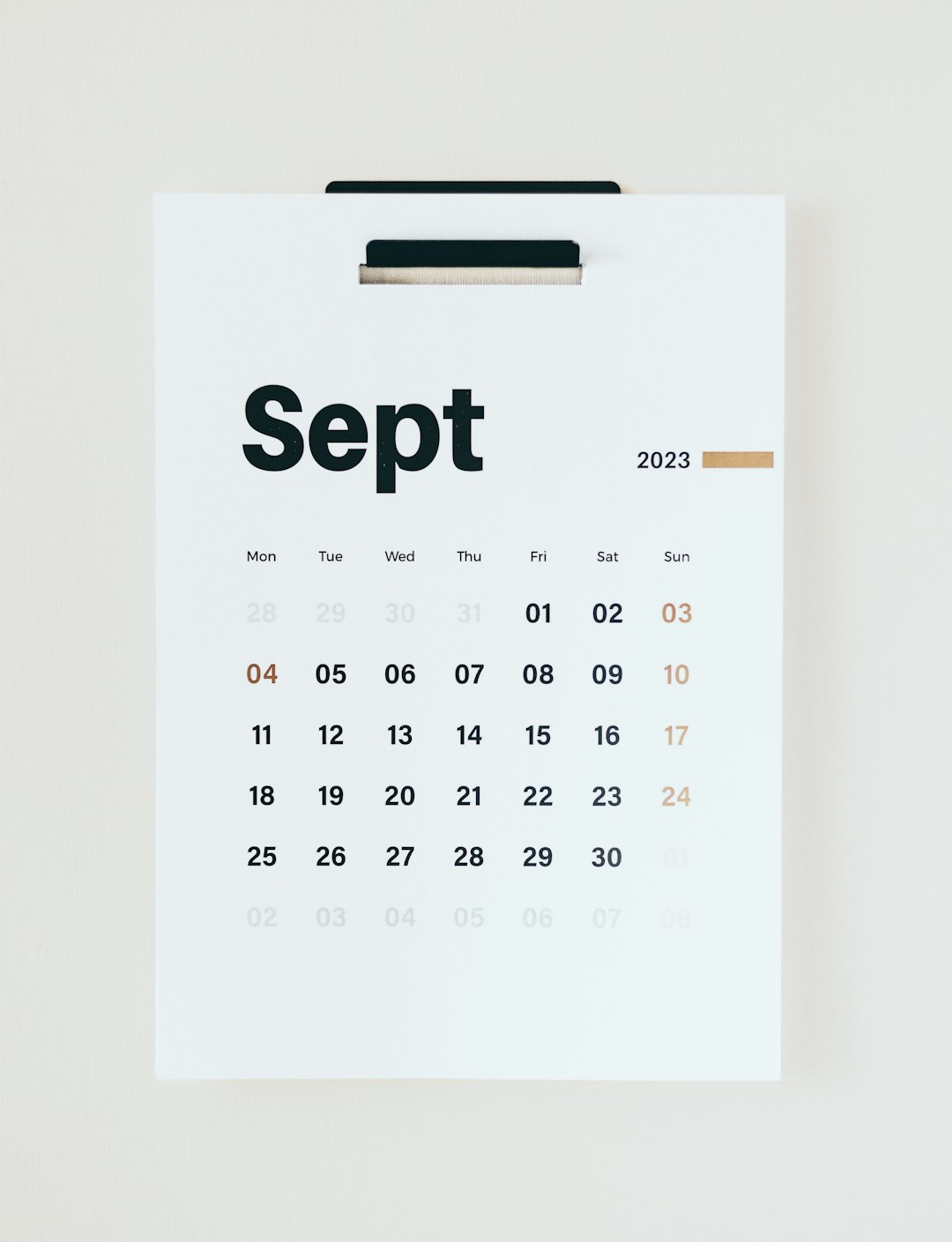
- Weekly Planning: Every Sunday or Monday morning, look ahead to your week. Use calendars—digital or paper—to prepare for deadlines, meetings, and tests.
2. Optimize Your Learning and Working Environment
Having a chaotic or noisy space can drastically reduce your efficiency and mental clarity. A conducive environment forms the backdrop of your productivity.
- Designate a Single Workspace: Work and study in the same location if possible. Make it comfortable but not too cozy—avoid working from bed, for instance.
- Minimize Distractions: Turn off non-essential notifications, use headphones to cancel noise, and inform others when you are not available.
- Invest in Tools That Matter: A second monitor for multitasking, blue light filter glasses, or a more ergonomic chair can pay dividends.
3. Use Task Management and Productivity Tools
Leveraging the right digital tools can significantly reduce cognitive load by helping you track assignments, meetings, and responsibilities without relying on memory alone.
Recommended Tools:
- Trello or Asana: Visual project management boards perfect for tracking course deliverables and work projects.
- Notion: Great for keeping everything in one place—class notes, to-do lists, calendars, and work announcements.
- Google Calendar: Excellent for scheduling tasks and setting recurring reminders.
Using digital tools not only makes organization seamless, but also improves your accountability and reduces stress.
4. Set Boundaries and Communicate Proactively
One of the hardest things about balancing work and online learning is maintaining boundaries—particularly if your job is also remote. The lines can easily blur unless you take decisive steps to separate the two.
- Inform Your Employer: Let them know you’re pursuing studies. Good employers often appreciate proactive workers and may allow flexible schedules.
- Contact Professors Early: If your job interferes occasionally, it’s wise to build rapport and communicate concerns ahead of time with your instructors.
- Use Out-of-Office Messages and Calendars: These small tools can help you signal availability and avoid unwanted interruptions.
5. Apply the Pomodoro Technique
If procrastination or fatigue plagues you, the Pomodoro Technique offers a proven method to maintain focus and mental freshness. This involves working in 25-minute blocks followed by 5-minute breaks, with a longer 15–30-minute break every four cycles.
Why it works:
- Improves concentration by making tasks feel smaller and more manageable.
- Encourages brief relaxation intervals that sustain energy across long work or study sessions.
- Can be customized: use 45–15 if you prefer slightly longer work intervals.
There are also apps like Focus Booster and TomatoTimer that can help automate the process.
6. It’s Okay to Say No
Some tasks, commitments, or social activities will not align with your current priorities—and that’s okay. Learning to say no gracefully is essential for preserving your time and mental health.
Ask yourself:
“Does this directly support my long-term goals or well-being?” If the answer is no, consider declining or deferring the commitment.
Remember, value your time as much as you value the opinions of others. That mindset shift can be liberating and empowering.
7. Prioritize Mental and Physical Well-being
No amount of productivity can make up for a completely burned-out individual. School and work both demand mental clarity and sustained energy, which means self-care should be integral, not optional.
Tips for staying healthy:
- Exercise: Even 20–30 minutes of walking, stretching, or light cardio can massively improve mood and energy.
- Regular Sleep Schedule: Aim for 7–8 hours of consistent sleep. Avoid studying or working right before bed to help your brain unwind.
- Mindfulness Practices: Use meditation apps like Headspace or Calm. Learning to manage anxiety through breathing exercises or daily journaling can improve focus and emotional resilience.
8. Review and Adjust Periodically
Your current strategy might not work forever. Maybe your course load increases or your job demands change. Regular reviews ensure you remain adaptively efficient and don’t operate on autopilot.
Conduct a review every 2 weeks or monthly. Ask:
- What tasks took longer than expected?
- Where did you lose the most time or energy?
- What changes made things easier?
- What needs to change moving forward?
Don’t treat reviews as one-time check-ins. Build this as a recurring event into your calendar. It keeps your workflow lean and aligned with evolving goals.
Conclusion: Balance Is Achievable with Strategy and Dedication
Managing online learning alongside a job is a complex but entirely achievable goal when approached with discipline, self-awareness, and smart systems. From time blocking and productivity apps to maintaining your well-being, the blend of actionable strategies presented can equip you to succeed in both realms without sacrificing either. Remember, it’s not about doing everything perfectly. It’s about making consistent, informed choices that keep you moving forward—one focused day at a time.