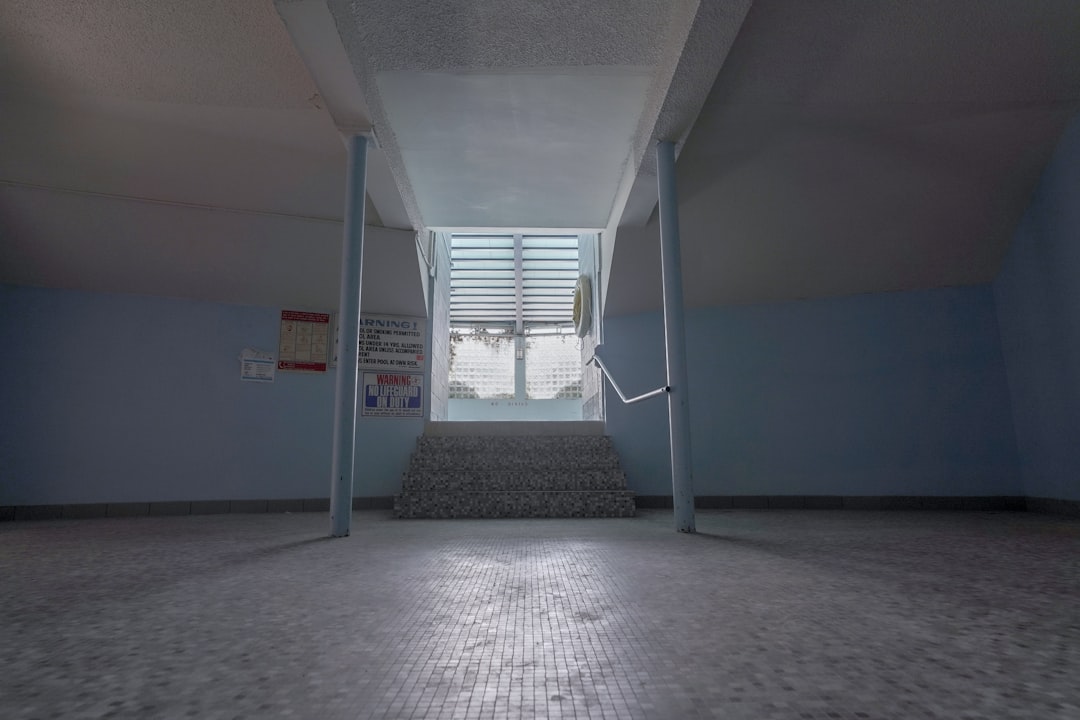
Have you ever walked into an empty airport terminal at 2 a.m.? Or taken the stairs in a building that hasn’t been painted since 1984? It probably felt… weird. Not scary exactly, but not cozy either. That eerie, “off” feeling? Welcome to the world of liminal spaces.
TLDR:
Liminal spaces are “in-between” places. They’re the hallways, airports, or waiting rooms of life. These areas feel unsettling because they’re not meant for long stays. Psychologists believe they stir emotions of confusion, discomfort, and even wonder because they represent transition, not permanence.
What Are Liminal Spaces?
The word liminal comes from the Latin “limen,” which means threshold. These spaces are literally places “in between” destinations. Think of:
- Empty school halls during summer break
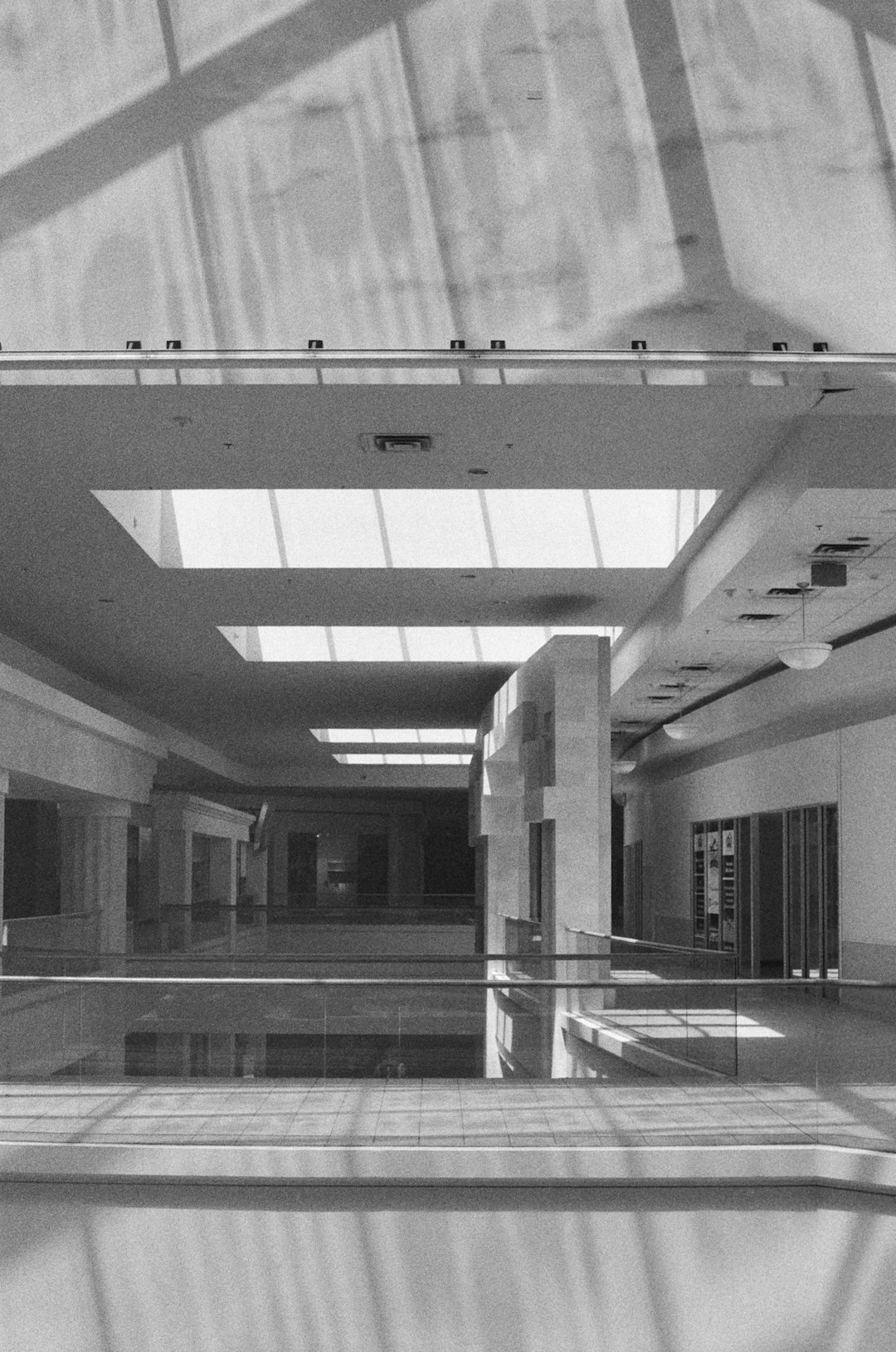
- Abandoned malls
- Parking garages at night
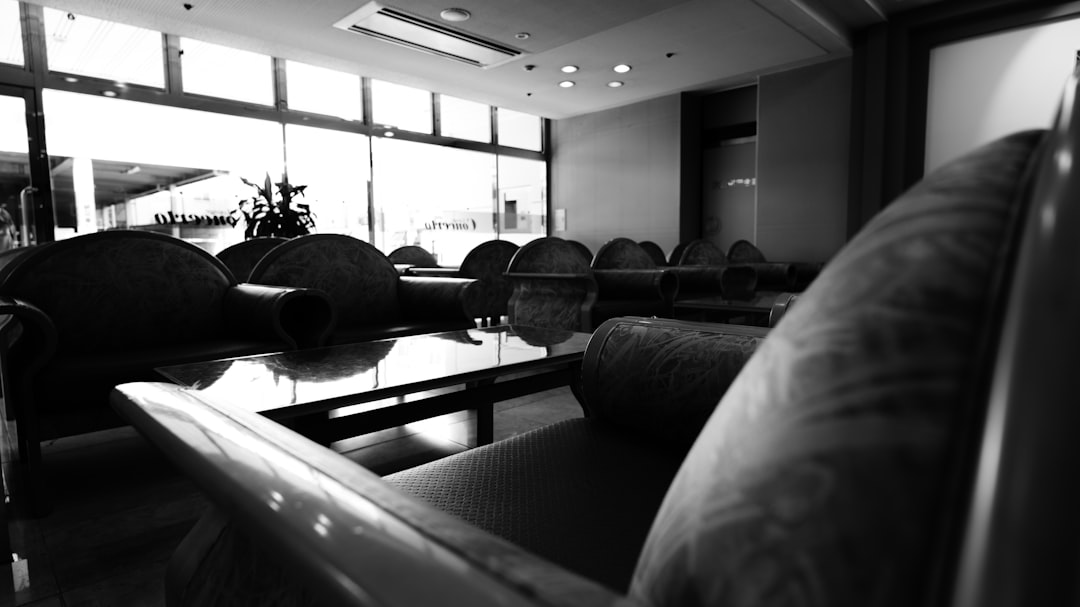
- Hotel lobbies at odd hours
They’re not our final stop. And we aren’t really meant to stay there too long. That limbo feel? It’s built into their design.
Why They Feel So Weird
So what makes these places so unnerving? Here’s a breakdown.
- They’re Familiar… But Not Quite
A mall should be full of people, music, life. When it’s empty, things feel off. The brain notices that something’s missing. - Time Seems Suspended
These spaces often feel outside regular time. There’s no action, no rush—everything feels frozen. Our brains don’t like that kind of quiet when it’s not supposed to be quiet. - No Clear Purpose
In liminal spaces, it’s hard to know what to do next. Are we going forward? Backward? Just waiting? The lack of purpose can make us uncomfortable.
The Psychology of Being “In-Between”
Liminality isn’t just in buildings. It happens in life too.
Think of when you graduate but haven’t started your job yet. Or after a breakup before you’ve moved on. That’s psychological liminality—the mental cousin of the empty stairwell.
Transitions can be hard! We crave structure and clarity. Liminal phases give us neither.
Feelings that Come with Liminal Zones
- Anxiety: Not knowing what’s next can be stressful
- Nostalgia: Some liminal spaces remind us of the past
- Wonder: A few people actually enjoy the mystery
- Isolation: These spots often feel very lonely
Some therapists even use “liminality” to talk about personal growth. You can’t evolve without passing through the weird middle. It’s uncomfortable, but necessary.
Liminal Spaces in Pop Culture
Ever seen a music video set in an old bowling alley or fluorescent-lit diner? That’s intentional. Directors use liminal spaces to spark emotion.
Players of video games like Control or fans of horror films may notice settings that feel odd and empty. These aren’t random. Creators use them to tap into that eerie, drifting vibe our brains react to.
Liminal aesthetics have even gone viral. Check out the internet’s obsession with:
- The Backrooms: A concept of endless, creepy office-like mazes
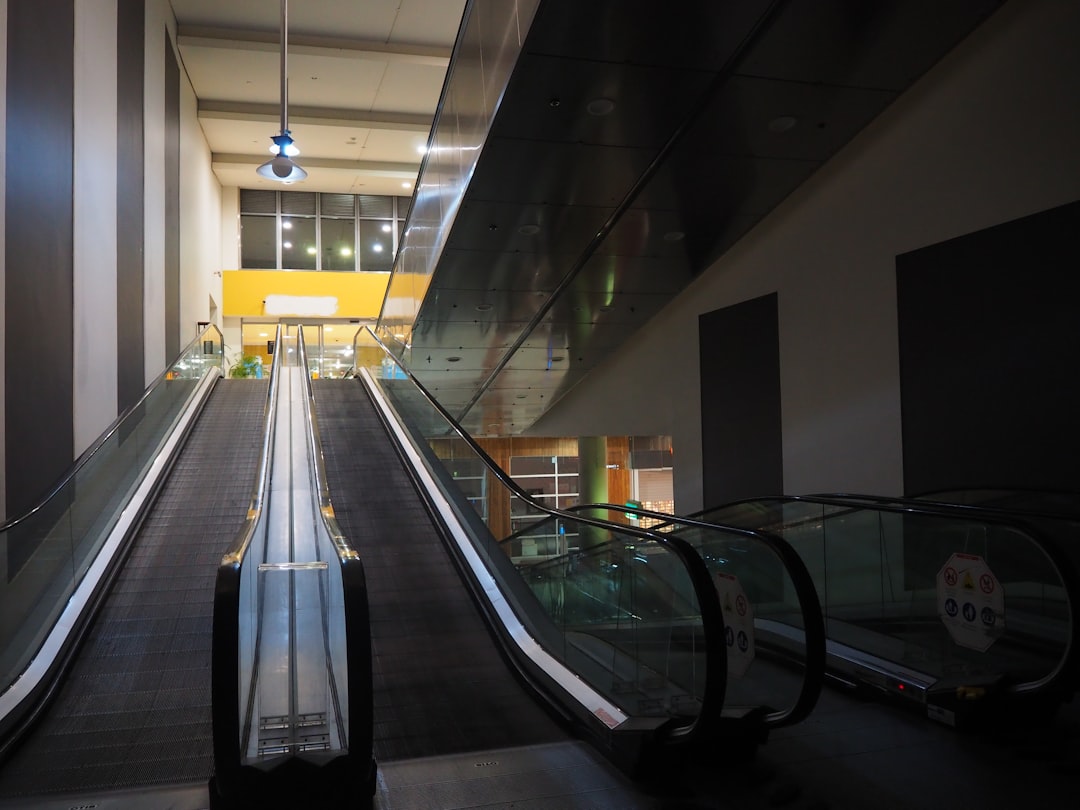
- Corecore Edits: Videos that combine emotional music with footage of empty cities, escalators, mall fountains
- Liminal TikToks: Short videos capturing the vibe of empty playgrounds under flickering lights
There’s discomfort, yes. But people also find meaning in the mystery. And beauty in the stillness. Strange, right?
Can Liminal Spaces Be Good for You?
Actually… yes. They may look eerie, but they carry benefits.
1. Time to Reflect
When we’re in between—like commuting, waiting, pausing—we get to think. Our brain takes a little breather. Creativity often sparks during these slow times.
2. Encourages Growth
Liminal life phases are often when people change. Unhappy with a job? Not quite moved on from a relationship? You’re entering the portal of transformation.
3. Builds Tolerance for Ambiguity
Lots of life is uncertain. If we can learn to sit with that, we build strength. Liminal zones teach us it’s okay to not have the answers (yet).
Using the Liminal Vibe in Real Life
Here’s something cool: you can use liminal energy rather than fear it.
- Create your own liminal space: Light up a quiet room, hang strings of lights, play echoey ambient sounds. Let the vibe help you think.
- Harness the “pause”: Next time you’re in a waiting room, don’t grab your phone. Sit. Reflect. Observe.
- Acknowledge your inner hallway: Feeling stuck between two life events? That’s normal. You’re just in a mental liminal lobby. The next door will open.
Why Some People Find Them Comforting
While most find liminal spaces creepy, others feel calm in them. Why? Because there’s no pressure.
- No expectations: You don’t have to perform or impress anyone
- Mystery is intriguing: Some brains love puzzles
- Imagination runs free: Blank spaces let the mind wander
It’s like floating. A liminal pool of stillness. For those who like to explore thoughts and feelings, it can be kind of magical.
Final Thoughts
Liminal spaces are those odd corners of life—physically and emotionally. They feel empty, quiet, even spooky sometimes. But they also remind us that we are always moving. Always changing.
Next time you stand in a lonely hallway or sit between moments of the past and future, relax. The discomfort means something is shifting. Something is growing. Maybe that something is you.