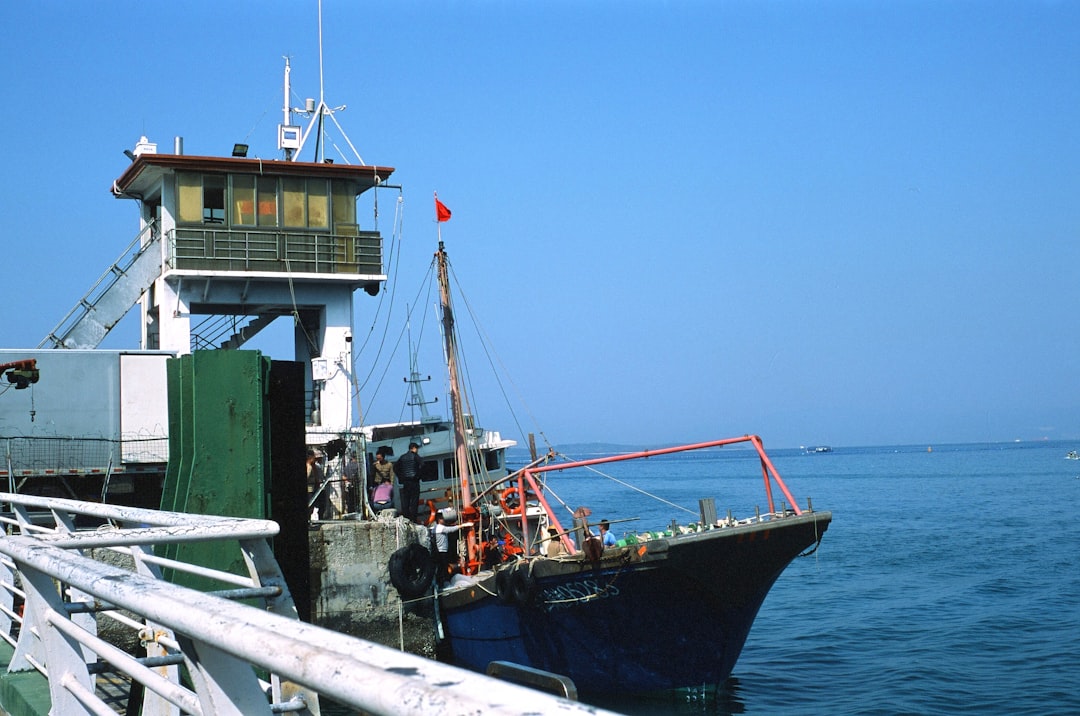
Working on an oil rig isn’t just about drilling holes in the ocean floor. It’s a world of sweat, teamwork, giant machines, and big responsibilities. Whether onshore or offshore, every role plays a finger-snapping part in keeping the oil flowing smoothly.
TL;DR: Life on an oil rig involves different roles, and three key ones are the Deckhand, Roustabout, and Driller. Each has unique jobs that keep the work moving. Deckhands handle surface tasks, Roustabouts are the muscle behind the scenes, and Drillers lead the operation. It’s hard work, but it pays well and offers adventure.
The Basics of Oil Rig Work
Oil rigs are huge. Some float on the ocean, others stand on land. All of them are like small cities of metal and machines. They run 24/7. To keep everything running, you need the right people.
Let’s meet the stars of the show:
- Deckhand: A jack-of-all-trades on the deck.
- Roustabout: The heavy lifter and rig helper.
- Driller: The captain of the drill floor.
Let’s dig into what each of them does—pun fully intended.
What Does a Deckhand Do?
Deckhands are like the ninjas of the oil rig. They work mostly topside, near the helipad, walkways, cranes, and supply areas.
Their main tasks include:
- Operating deck gear and cranes
- Handling ropes and lines
- Securing cargo deliveries
- Painting and cleaning the rig’s exterior
- Helping during emergencies or drills
This is an entry-level job, but it’s vital. Deckhands must be alert, physically fit, and ready to get messy. Rain, waves, wind—you name it, they face it all.
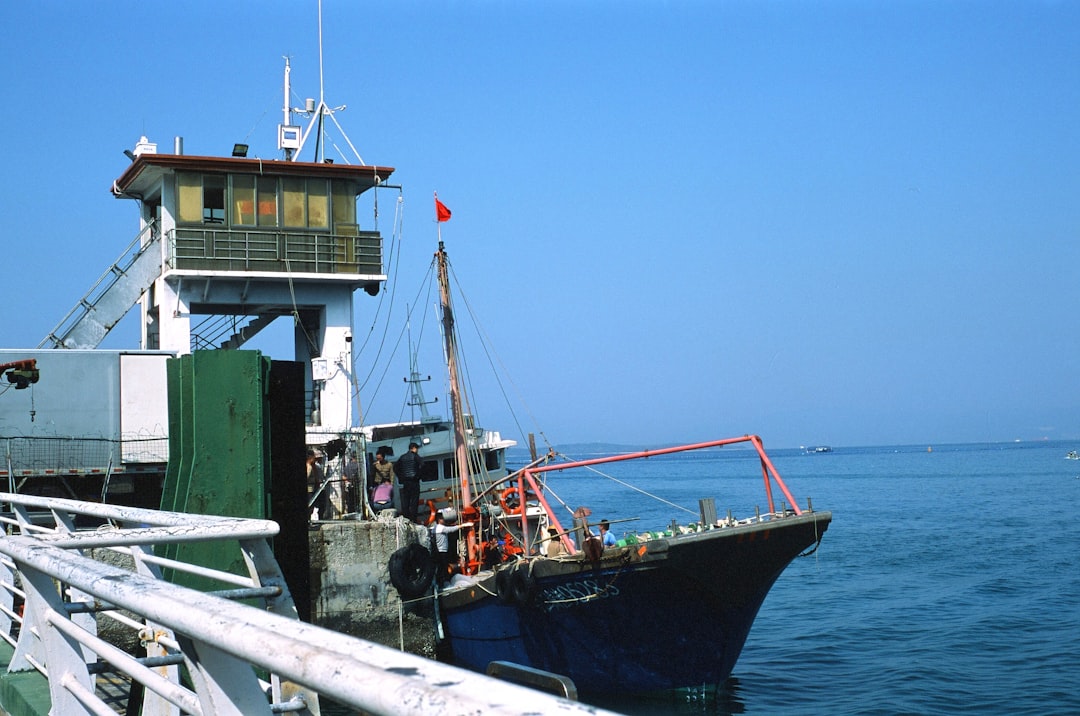
Bonus Fact: Deckhands are often the first to arrive when helicopters bring in supplies or people!
The Roustabout: The Backbone of the Rig
Roustabouts do the tough, gritty jobs. They are the full-body workers who help wherever needed, especially on the drill floor.
Common duties include:
- Moving pipes and heavy equipment
- Loading and unloading materials
- Maintaining rig machinery
- Cleaning up oil, grease, and spills
- Assisting drillers and technicians
This is also an entry-level job, but it’s fast-paced and critical. Roustabouts learn a lot through experience. Many go on to become drillers or rig supervisors.
Gear up! Roustabouts wear hard hats, gloves, steel-toe boots, and coveralls. Safety is serious business.
Image not found in postmetaFun Fact: Many movie scenes featuring oil rigs show Roustabouts more than any other role—they’re always in the thick of the action!
The Driller: The Boss of the Borehole
Now meet the Driller. This person is in charge of the drilling operation. It’s not just pushing buttons—though they do have a lot of cool buttons to push!
Some of the Driller’s key responsibilities:
- Managing the drill team
- Controlling the speed and angle of drilling
- Monitoring pressure and safety sensors
- Reacting fast to any problems below the surface
- Reporting to the rig manager or “Toolpusher”
Becoming a Driller takes time. Most start as Roustabouts, then move up to Roughneck, Derrickhand, and finally Driller. Along the way, they get loads of training—both hands-on and technical.
A Driller’s decision can make or break the operation. They must stay calm under pressure—literally. Walking into their control room feels like entering an airplane cockpit!
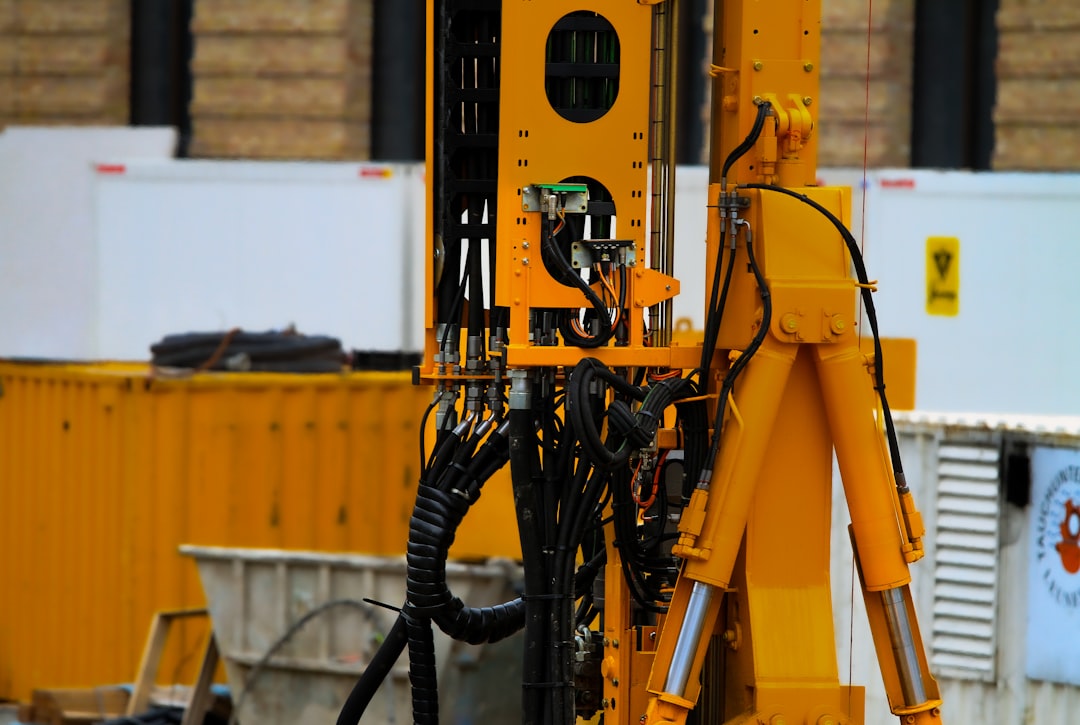
Did you know? Drillers often work 12-hour shifts, keeping the drill turning day and night.
How Do These Roles Work Together?
Think of the oil rig like a big orchestra. Each worker plays a different instrument but follows the same sheet music. Deckhands keep the deck safe and organized. Roustabouts move and support the big gear. Drillers lead the drill team like a conductor!
Together, they:
- Prepare the drill site
- Operate and maintain heavy equipment
- Manage safety procedures
- Respond to any changes or emergencies
No one can do it alone. Communication is EVERYTHING. Hand signals, radios, and sharp eyes are their daily tools—just as much as wrenches and levers.
What Kind of Person Fits These Jobs?
Oil rig jobs aren’t for everyone. The shifts are long, usually two weeks on, two weeks off. Sleep might be wonky. Weather can be wild. But the rewards are big—good pay, strong bonds, and a real sense of pride.
You might be a good fit if you:
- Like physical work and being outdoors
- Are okay with heights, grease, and noise
- Can follow safety rules exactly
- Work well on a team
- Enjoy solving problems on the fly
Many workers say life on a rig feels like being part of a family. You eat, work, and rest alongside the same crew. Friendships get strong fast.
How to Get Started
Most folks start as a Deckhand or Roustabout. You can apply through oil companies, drilling contractors, or staffing agencies. Offshore jobs might need special training or licenses, especially about safety at sea.
Look for these courses:
- Basic Offshore Safety Induction and Emergency Training (BOSIET)
- Helicopter Underwater Escape Training (HUET)
- Rig Pass or SafeLand training
It helps to have a strong résumé with construction, warehouse, or mechanical experience.
In Conclusion
The oil rig world is gritty, intense, and not for the faint of heart. But it’s also exciting, high-paying, and full of growth. Whether you’re lifting heavy tools as a Roustabout, keeping everything tidy as a Deckhand, or commanding the drill as a Driller—it all matters.
These jobs keep lights on, trucks moving, and planes flying around the world. And each one starts with people willing to take on a challenge and get their hands dirty. Maybe even oily.
Interested? Put on that helmet. Adventure (and hard work) awaits.