For many people exploring opportunities abroad, Portar Leisa represents an important administrative and personal step. Whether connected to residency, temporary stay authorization, work eligibility, or family relocation procedures, the process can seem complex at first glance. Understanding the requirements, timelines, documentation, and potential challenges ahead of time can dramatically increase the chances of a smooth experience.
TLDR: Portar Leisa is a formal process that requires careful preparation, accurate documentation, and awareness of legal requirements. Applicants must understand eligibility criteria, gather essential paperwork, and plan for processing times. Mistakes or incomplete submissions can lead to delays or rejection. With proper preparation and knowledge, the process becomes manageable and significantly less stressful.
What Is Portar Leisa?
Portar Leisa refers to the official procedure of obtaining, transferring, or maintaining a specific legal or residency status under regulated guidelines. While the terminology may vary by jurisdiction, it generally involves documentation verification, identity validation, financial proof, and compliance with local laws.
Depending on the country or governing body involved, Portar Leisa may apply to:
- Residents transferring legal status
- Workers applying for authorization
- Family members seeking reunification
- Students extending their legal stay
- Individuals regularizing their documentation
Each scenario carries its own specific requirements, but the core principles remain consistent: eligibility, documentation, and procedural compliance.
Understanding Eligibility Requirements
Before beginning the process, applicants must determine whether they meet the qualifying criteria. Authorities commonly evaluate:
- Legal status history
- Financial stability
- Criminal background clearance
- Purpose of stay or transfer
- Valid identification documents
Failure to meet even one core requirement can result in denial. Therefore, it is strongly recommended that applicants carefully review official guidelines before investing time and resources.
Essential Documentation
One of the most critical aspects of Portar Leisa is compiling accurate and complete documentation. Missing paperwork is among the most common reasons for delays.
Typical required documents include:
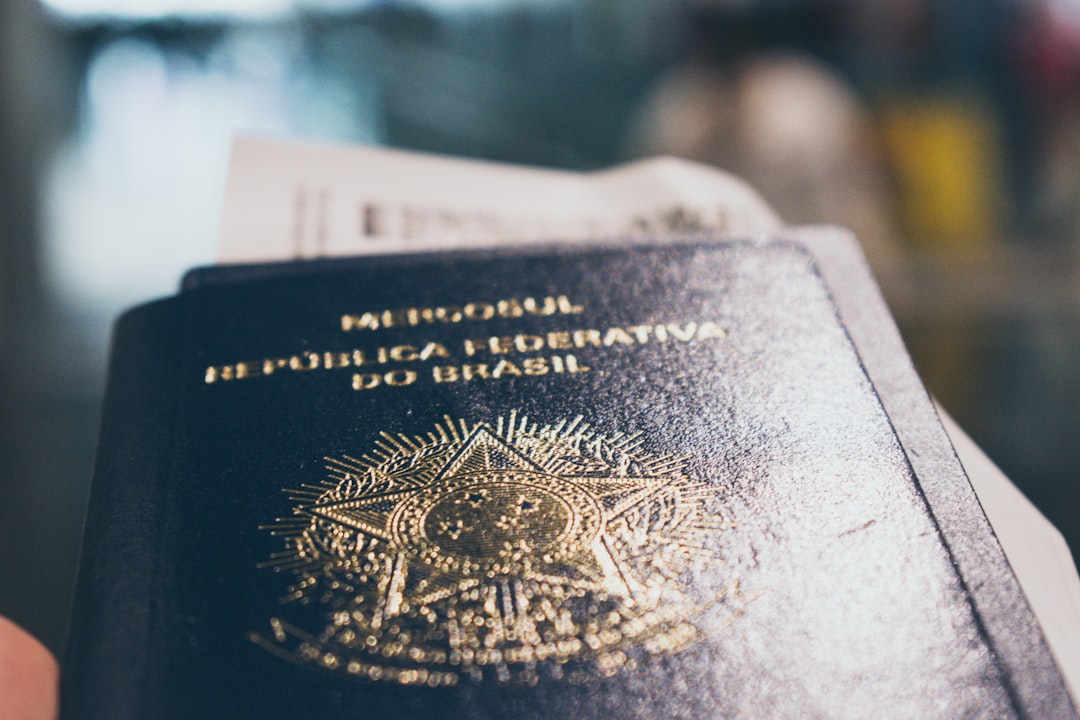
- Valid passport or national ID
- Proof of residence
- Employment or enrollment verification
- Financial statements or proof of income
- Background check certificates
- Completed application forms
- Passport size photographs
All documents must often be:
- Recently issued
- Officially translated (if required)
- Properly notarized or legalized
Applicants should prepare both physical and digital copies wherever possible.
The Application Process Step by Step
The Portar Leisa procedure generally follows these stages:
- Initial eligibility verification
- Collection and preparation of documents
- Submission of application
- Payment of required fees
- Biometric appointment (if required)
- Processing and review
- Final decision and status confirmation
Processing times vary significantly depending on workload, region, and completeness of the application. While some applications may be processed within weeks, others can take several months.
Image not found in postmetaCommon Challenges and How to Avoid Them
Even well-prepared applicants face potential complications. Being aware of common issues can help prevent unnecessary delays.
1. Incomplete Documentation
Many applications are delayed because required documents were missing or improperly formatted. Double-check requirements and use official checklists when available.
2. Incorrect Form Completion
Errors such as spelling mistakes, incorrect dates, or inconsistent information can raise red flags. Always review forms multiple times before submission.
3. Missed Appointments
Biometric or interview appointments are often mandatory. Missing them may require restarting parts of the process.
4. Insufficient Financial Proof
Authorities often require clear evidence of self-sufficiency. Ensure that financial records meet specified thresholds.
Costs Involved
Portar Leisa is rarely free. Applicants should budget for:
- Application fees
- Biometric fees
- Document translation costs
- Legal consultation (if needed)
- Courier or mailing services
Fees may vary based on urgency and category of application. Some applicants also choose professional assistance, which adds additional expense but may reduce administrative errors.
Legal Importance and Compliance
Maintaining compliance throughout the process is essential. Submitting false information or forged documents can lead to:
- Immediate rejection
- Fines or penalties
- Temporary or permanent bans
- Legal prosecution
Applicants should approach the process with transparency and honesty at every stage.
Processing Time and Patience
Many applicants underestimate the waiting period involved in Portar Leisa. Processing depends on:
- Application volume
- Completeness of submission
- Security checks
- Administrative workload
It is wise to apply well before any deadlines, especially if the authorization or status is tied to employment or travel commitments.
After Approval: What Comes Next?
Receiving approval does not mean the process is entirely finished. After successful authorization, individuals may need to:
- Register at a local office
- Collect official documentation
- Update identification records
- Inform employers or institutions
Additionally, approved statuses often come with obligations such as renewal deadlines, residency duration requirements, or reporting responsibilities.
When to Seek Professional Help
While many applicants complete Portar Leisa independently, professional assistance can be beneficial in cases involving:
- Previous application denials
- Complex family cases
- Unclear legal history
- Urgent processing needs
Immigration consultants, legal advisors, or certified administrative experts can help interpret regulations and reduce risks.
Practical Preparation Tips
To increase success chances, applicants should:
- Start preparations early
- Create a digital document folder
- Track submission deadlines
- Keep copies of everything submitted
- Monitor official communication channels
Organization and proactive communication are key factors in a smooth process.
Final Thoughts
Portar Leisa may appear intimidating initially, but careful research and methodical preparation transform it into a manageable administrative procedure. Understanding the legal framework, respecting timelines, and submitting accurate documentation are fundamental to success.
Those who approach the process strategically—rather than reactively—are more likely to avoid setbacks and experience a streamlined outcome.
Frequently Asked Questions (FAQ)
-
How long does Portar Leisa usually take?
Processing times vary widely depending on the jurisdiction and workload, typically ranging from several weeks to a few months. -
Can I work while my application is being processed?
This depends on local regulations. Some applicants may continue working under temporary authorization, while others must wait for final approval. -
What happens if my application is denied?
In many cases, applicants can appeal or reapply after addressing the reasons for denial. Official denial notices typically outline next steps. -
Is legal assistance required?
It is not always required, but it may be helpful in complex or time-sensitive situations. -
Can I expedite the process?
Some jurisdictions offer priority processing for additional fees, though eligibility varies. -
Do documents need to be translated?
Yes, if documents are not in the official language of the reviewing authority, certified translations are often mandatory.