
For individuals with a passion for helping others and a desire to make a meaningful impact in people’s lives, working as a personal care assistant can be a rewarding and fulfilling career path. As the aging population grows and more individuals require daily assistance, demand for compassionate, skilled caregivers is rising. Whether you’re considering a career change or just exploring the healthcare field, understanding the role and responsibilities of a personal care assistant is essential.
TLDR: What You Need to Know
Personal care assistants provide essential support to individuals who need help with daily activities due to age, illness, or disability. Their responsibilities include helping with hygiene, mobility, and medication reminders. Certification is not always mandatory but is increasingly favored by employers and clients. Training programs and state-specific guidelines prepare candidates to enter this impactful profession with confidence.
What is a Personal Care Assistant?
A personal care assistant (PCA) is a caregiver who helps clients with daily living activities, allowing them to maintain their independence and dignity while living at home or in assisted facilities. PCAs play a vital role in the healthcare ecosystem by providing non-medical support services that contribute to a person’s overall well-being.
Their work is often hands-on and can be both physically and emotionally demanding. However, for many PCAs, the emotional rewards of forming close relationships and knowing they are making a difference far outweigh the challenges.
Main Job Duties of a Personal Care Assistant
Personal care assistants perform a wide variety of tasks depending on the specific needs of their clients. Their duties can be broken down into several core areas:
1. Personal Hygiene Assistance
- Helping clients bathe, shower, and groom
- Assisting with oral hygiene and hair care
- Providing toileting support and changing garments
2. Mobility and Transfer Support
- Aiding in walking or wheelchair transfers
- Helping clients in and out of bed or chairs safely
- Utilizing transfer equipment when necessary
3. Meal Preparation and Feeding
- Cooking nutritious meals based on dietary needs
- Feeding clients who have difficulty eating independently
- Managing meal times and hydration schedules
4. Medication Reminders
- Providing reminders to take prescribed medications
- Assisting clients in reading labels and schedules
5. Light Housekeeping
- Cleaning client’s living area
- Doing laundry and changing bed linens
- Shopping for groceries and household supplies
6. Companionship and Emotional Support
- Offering conversation and companionship
- Accompanying clients to appointments and outings
- Providing emotional encouragement and reassurance
Work Environments
Personal care assistants may work in various environments, depending on the specific job or client needs. Common settings include:
- Private homes
- Assisted living facilities
- Group homes
- Hospice care providers
- Adult day care centers
Flexibility in work hours is often a requirement, as some clients may need overnight or weekend care. Many PCAs work part-time, although full-time opportunities are also common, especially in agency settings.
Skills and Qualities Needed
Being a successful PCA requires a unique blend of practical skills and personal characteristics. While training will teach you techniques and procedures, certain traits enhance your effectiveness and client satisfaction.
Essential Skills
- Strong communication and active listening
- Time management and organization
- Physical stamina and mobility
- Basic cooking and cleaning abilities
- Understanding of patient confidentiality
Desirable Personal Traits
- Empathy and compassion
- Patience and adaptability
- Reliability and punctuality
- Positive attitude and emotional resilience
Certification and Training
Although some personal care assistant jobs do not require formal certification, having the appropriate credentials can significantly boost your employability and potentially lead to higher wages. Certification requirements vary by state and employer, and some services covered by Medicaid or Medicare require certified PCAs.
Common Certification Options
- Certified Personal Care Assistant (CPCA): Offered through various local institutions and online programs, this credential covers core PCA competencies.
- Home Health Aide (HHA): A more advanced certification that may allow you to provide limited medical services in addition to personal care duties.
- Certified Nursing Assistant (CNA): Although technically a separate role, some CNAs perform personal care assistant duties depending on their job setting.
Training programs typically take a few weeks to a few months to complete and may be offered through:
- Community colleges
- Vocational schools
- Home health agencies
- Online educational platforms
In most states, certification programs include:
- Classroom instruction
- Hands-on skills training
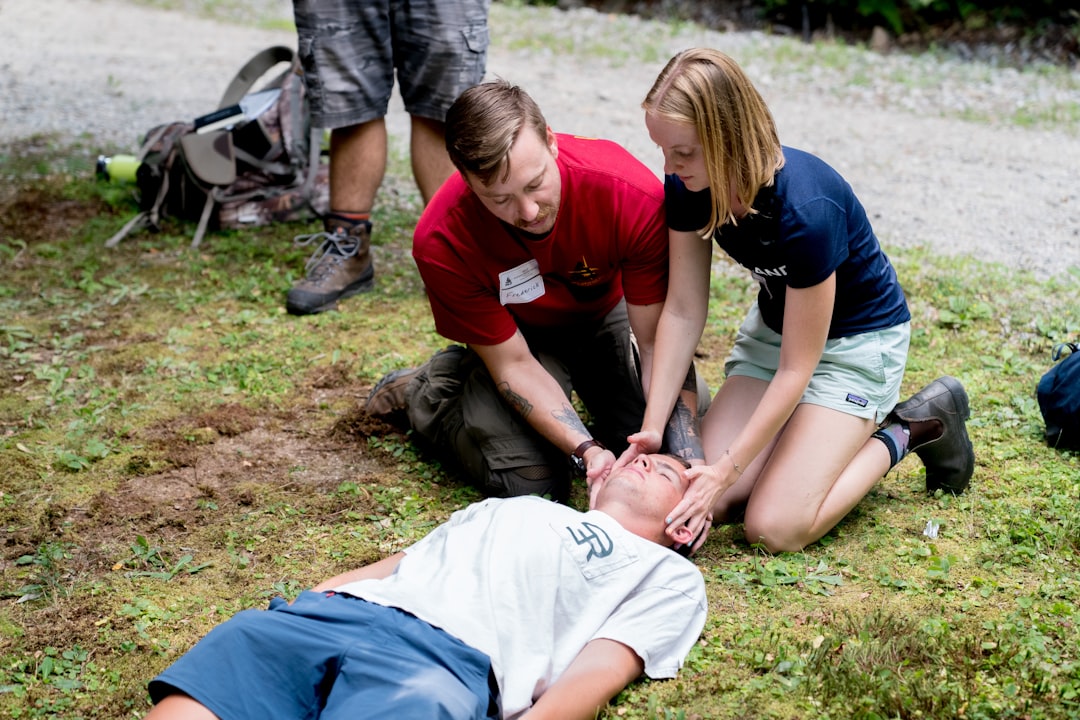
- CPR and basic first aid certification
- Background checks
Salary and Job Outlook
According to the U.S. Bureau of Labor Statistics, the median annual wage for home health and personal care aides was around $30,000 as of 2023, though this varies significantly by region and employer. Employment in this field is projected to grow by nearly 25% over the next decade—far above the national average for all occupations.
Factors that can influence a PCA’s salary include:
- Level of experience
- Certifications held
- Type of employer (private client vs. agency)
- Geographic location (urban vs. rural)
Advancement Opportunities
Working as a PCA can serve as a stepping stone to other careers in the healthcare field. Many assistants go on to become licensed practical nurses (LPNs) or registered nurses (RNs) after gaining experience and further education. Others specialize within caregiving fields, such as dementia care or hospice services, often undergoing specialized training to do so.
How to Get Started
If you’re interested in becoming a personal care assistant, here are the basic steps to take:
- Research state-specific requirements for certification or training.
- Select a certification program that suits your schedule and budget.
- Complete CPR and first aid courses, often required as prerequisites.
- Apply for positions through agencies, job boards, or directly with families.
You might also consider volunteering at adult day care centers or nursing homes to gain experience and make useful connections.
Conclusion
Personal care assistants play a crucial role in supporting the health, dignity, and independence of people in need. It’s a profession that demands a lot but gives even more in terms of emotional fulfillment and purpose. With proper training, the right mindset, and a heart for service, a career as a PCA can offer not only steady income but the deep satisfaction of making a lasting difference in someone’s life.
Whether you’re just beginning your career path or looking for a new way to give back to your community, becoming a personal care assistant could be the opportunity that changes not only your future—but others’ as well.