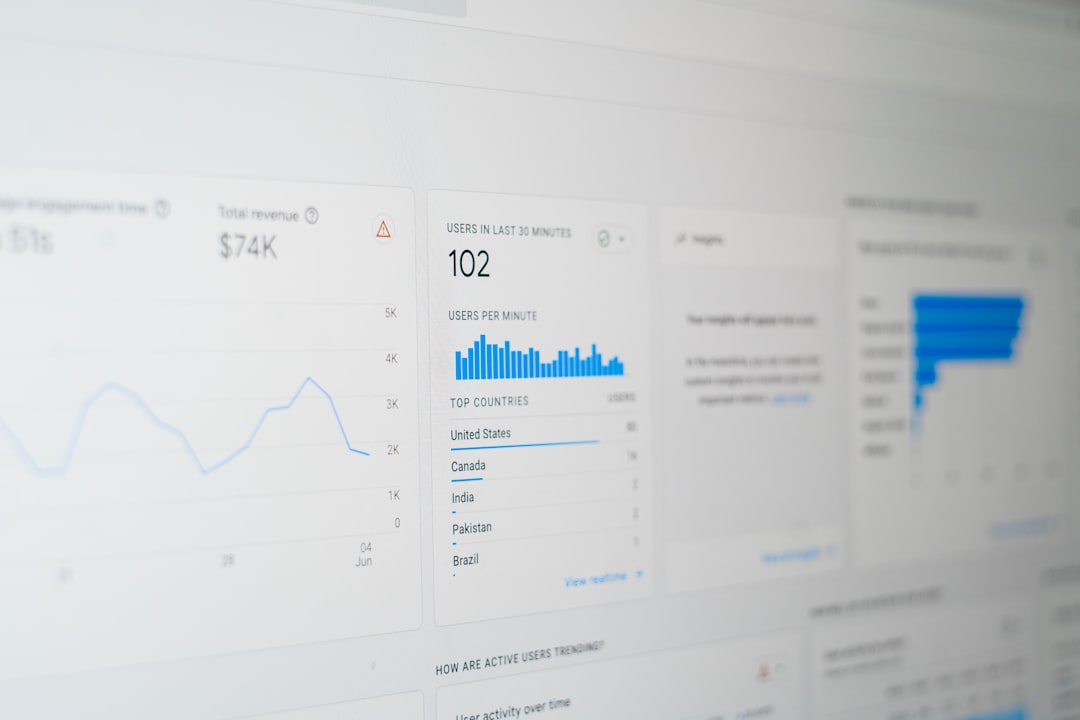
In a digital world increasingly dominated by personal data collection, many nonprofits are choosing ethical alternatives to understand the impact of their work. They want to respect user privacy while still maintaining insight into how their websites and campaigns perform. This isn’t just about compliance with regulations like GDPR — it’s a values-driven move to build trust with supporters and create responsible digital spaces.
TL;DR
Nonprofits are turning to ethical analytics platforms that offer key insights without relying on invasive data practices like cookies, ads, or user profiling. These tools help organizations measure their impact, optimize content, and report effectively — all while maintaining user privacy. From Matomo to GoatCounter, each platform offers unique features tailored to privacy-conscious missions. If you’re looking for a way to analyze web traffic ethically, check out these eight great options used by nonprofits globally.
Why Ethical Analytics Matter for Nonprofits
Unlike commercial companies, nonprofit organizations are mission-driven. Trust and transparency are critical components of their relationships with donors, volunteers, and beneficiaries. Using traditional analytics tools that profile users, track cookies, or serve targeted ads can feel at odds with the organization’s values — and can even lead to legal issues under strict privacy laws.
That’s why a growing number of nonprofits are embracing analytics tools that prioritize ethics, privacy, and simplicity. These platforms often go beyond just replacing Google Analytics. They create entire ecosystems where privacy and performance go hand in hand.
Favourite 8 Ethical Analytics Platforms Nonprofits Use
Let’s take a closer look at some of the most trusted, privacy-respecting analytics platforms nonprofits use worldwide:
-
1. Plausible Analytics
Plausible is an open-source, cookie-free analytics platform that’s grown popular among ethical digital spaces. It offers a lightweight script and presents key website metrics at a glance. With no user profiling or personal data collection, it’s a perfect match for nonprofits that want to keep things simple yet insightful.
Why nonprofits love it: Affordable pricing, GDPR-compliant, and a transparent business model.

-
2. Matomo (formerly Piwik)
Matomo is a robust and highly customizable analytics tool offering both cloud and on-premise options. While it can be configured to track more detailed data, nonprofits can easily configure Matomo for privacy-first operation — disabling cookies, anonymizing IPs, and turning off tracking features that might intrude on privacy.
Why nonprofits love it: Full data ownership, flexible features, open-source, and highly configurable privacy settings.
-
3. Fathom Analytics
Fathom offers a beautiful, minimalist dashboard that’s easy to understand. Built for privacy from the ground up, it doesn’t use cookies or retain personal data. It’s especially helpful for grant reports as it offers clear and high-level metrics that are easy to share with stakeholders.
Why nonprofits love it: Easy reporting, quick setup, and no need for a cookie banner.
-
4. Simple Analytics
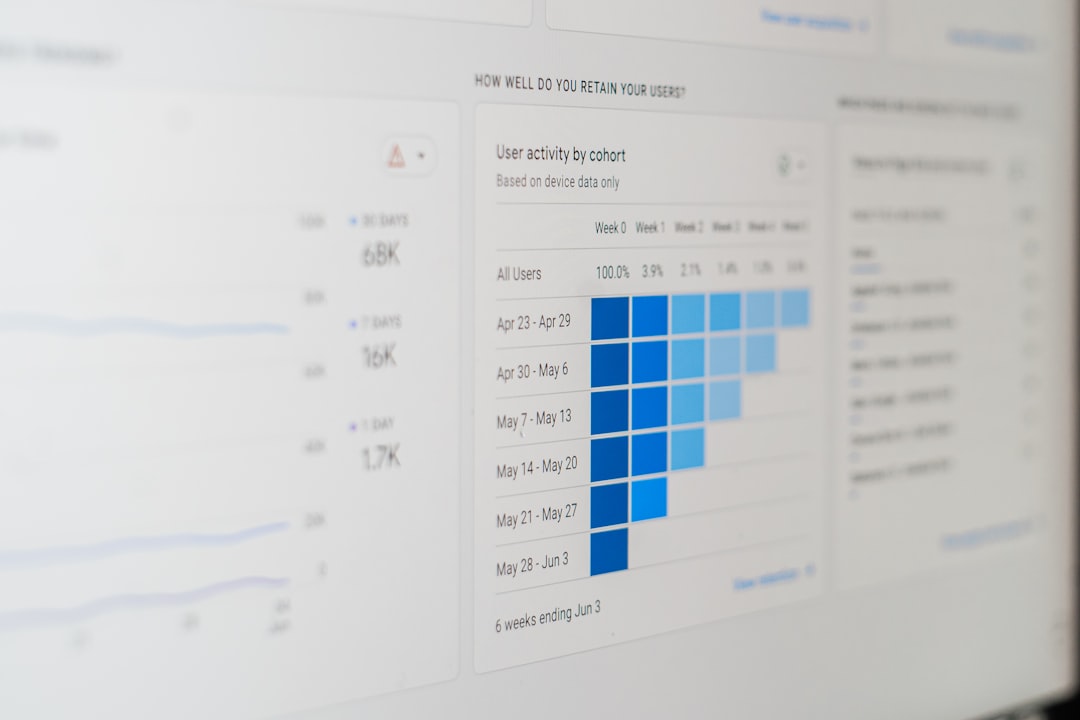
Designed for creators, civic tech projects, and nonprofits alike, Simple Analytics distills metrics into their essence: traffic source, location, page views, and referrers — all without cookies. It even provides a public mode, making it easy to share analytics transparently with supporters.
Why nonprofits love it: Public-sharing features, straightforward interface, and fair pricing tiers for small organizations.
-
5. GoatCounter
GoatCounter is an open-source, privacy-conscious analytics platform that’s ideal for minimalist websites, small teams, and those with technical capabilities. It’s a great option for nonprofits who value open tools and want full control over how analytics data is gathered and used.
Why nonprofits love it: Zero tracking by default, optional self-hosting, and no reliance on JavaScript cookies or session IDs.
-
6. Offen
Offen is unique in that it brings consent and transparency to the forefront. Users can actually view the data collected about them — and even delete it. Offen is still relatively new, but it’s a bold step toward user-owned data in analytics.
Why nonprofits love it: Radical transparency, consent framework, and open-source innovation.
-
7. Umami
Built as an alternative to Google Analytics, Umami is a self-hosted solution focused on privacy and speed. It does not collect personally identifiable information, and you can install it on your own server to retain 100% control of your data. It’s a popular onboarding choice for dev-savvy nonprofit teams.
Why nonprofits love it: Full control, no third-party trackers, and a clean, modern UI.
-
8. Ackee
Ackee is a stylish, self-hosted analytics platform that delivers essential metrics in real time. It’s built for developers, so it might not be suitable for teams without technical support. However, it deserves mention for being an ethical, cookie-free choice that gives organizations complete autonomy over visitor data.
Why nonprofits love it: Real-time dashboard, simple interface, perfect for custom projects or internal dashboards.
What to Look for in an Ethical Analytics Platform
When choosing a privacy-first analytics tool, nonprofits should consider the following features:
- Cookie-free Tracking: Avoids the need for annoying banners and preserves user trust.
- No Personal Data Collection: Ensures compliance and ethical alignment.
- Open Source or Transparent Code: Encourages auditability and freedom from vendor lock-in.
- Self-hosting Options: Helps retain total control of your data where needed.
- Easy-to-Understand Dashboards: Non-technical teams should be able to extract key insights.
- Minimal Scripts: Faster load times, better user experience.
Why Now Is the Time to Switch
Browsers like Firefox, Safari, and now even Chrome are moving to limit third-party tracking and cookies. For organizations whose missions revolve around justice, climate action, or human rights, using tools that quietly monitor users behind the scenes can send the wrong message. Ethical analytics tools allow you to lead with your values while still reporting progress.
Plus, funders are increasingly demanding accountability that doesn’t come at the cost of privacy. Many modern grant applications include digital safeguarding questions, where using ethical tools can become a major asset.
Final Thoughts
For nonprofits, analytics shouldn’t be a compromise between insights and values — it should be a seamless blend of both. The platforms listed here prove that it’s possible to gather meaningful impact data without crossing ethical lines. Whether you want self-hosted control or a turn-key SaaS solution, there’s an ethical analytics platform out there for you.
Switching to one of these tools is not only a technological decision but an act of digital integrity. It says to your community: we respect you, your data, and your digital rights.

Looking for the right fit? Try out two or three platforms using their free tiers, test dashboards with your team, and check for integrations with your website or CRM. The digital ethics movement is growing — and your nonprofit can be part of leading the way.