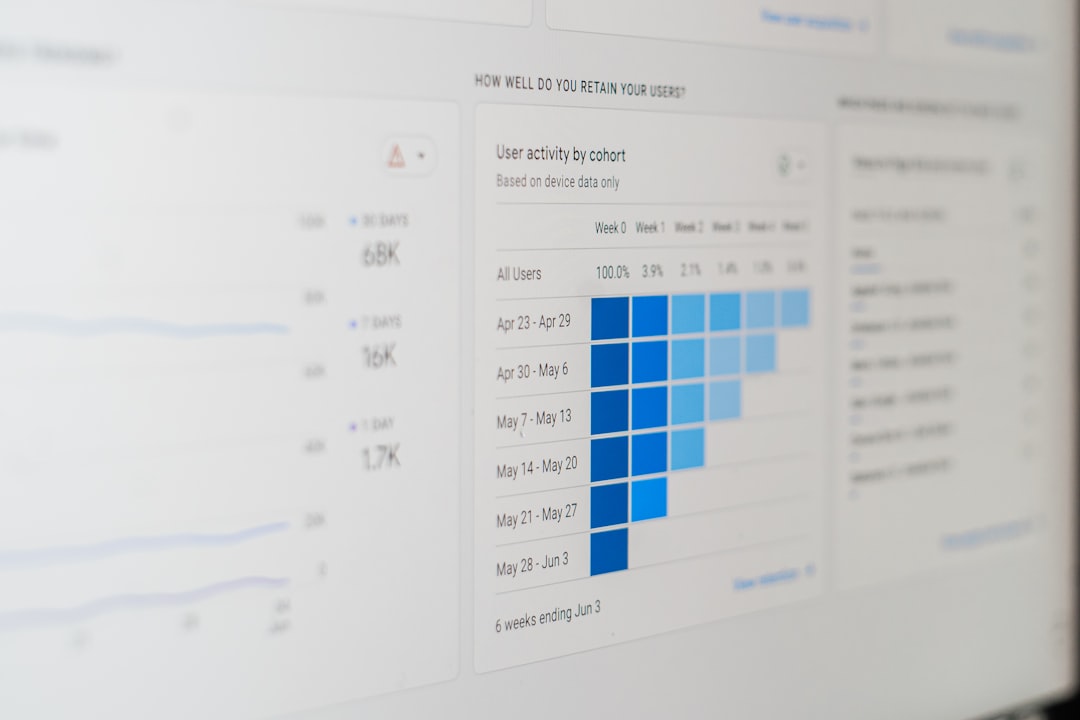
Cart abandonment remains one of the most expensive blind spots in ecommerce. While traffic acquisition continues to get pricier, many ecommerce teams fail to fully understand why shoppers drop off between adding items to cart and completing checkout. Modern cart analytics tools help diagnose these funnel leaks with behavioral insights, real-time data, and predictive intelligence that go far beyond surface-level conversion metrics.
TLDR: Ecommerce teams rely on specialized cart analytics tools to identify exactly where and why shoppers abandon their carts. The best platforms combine behavioral tracking, session recordings, funnel visualization, and AI-driven insights to uncover conversion bottlenecks. Tools like GA4, Hotjar, Mixpanel, Shopify Analytics, Heap, Contentsquare, and Lucky Orange provide varying strengths depending on team size and technical depth. Choosing the right mix helps reduce cart abandonment, improve checkout UX, and lift overall revenue.
Why Cart Analytics Matter More Than Ever
Cart abandonment rates consistently hover between 60% and 80% across industries. While some abandonment is natural, significant revenue is often lost due to preventable friction such as confusing checkout flows, unexpected shipping fees, payment failures, or performance issues.
Traditional analytics tools once focused primarily on traffic sources and revenue totals. Today’s cart analytics solutions dive much deeper. They analyze:
- Micro-interactions within the cart and checkout
- Form field drop-off rates
- Session recordings to observe real user behavior
- Device-specific friction
- Behavioral segmentation of abandoning users
Below are seven of the most trusted tools ecommerce teams use to diagnose funnel leaks effectively.
1. Google Analytics 4 (GA4)
Best for: Foundational funnel diagnostics and event-driven tracking.
GA4 remains the core analytics platform for most ecommerce brands. Its event-based model allows teams to create custom checkout flows and identify exactly where users abandon their carts.
Key cart analytics capabilities include:
- Checkout step drop-off visualization
- Event-based conversion tracking
- Device and traffic source segmentation
- Predictive purchase probability modeling

GA4 helps teams answer foundational questions such as:
- Is abandonment higher on mobile?
- Are paid ads driving lower checkout completion rates?
- Which checkout step causes the biggest user loss?
While GA4 lacks session replay capabilities, it serves as the backbone for quantitative funnel analysis.
2. Hotjar
Best for: Visualizing real customer friction inside the cart.
Hotjar complements quantitative data with qualitative insights. Instead of simply showing that users drop off at the payment page, it shows why.
Key features for diagnosing funnel leaks:
- Session recordings of cart and checkout behavior
- Heatmaps of click and scroll activity
- On-page surveys for abandoning users
- Feedback widgets for real-time complaints
For example, teams often discover through session replays that users repeatedly click disabled buttons or hesitate at promo code fields. Small UX issues that analytics charts cannot explain become visible instantly.
Hotjar is especially powerful for optimization teams running A/B tests and checkout redesigns.
3. Mixpanel
Best for: Advanced behavioral segmentation and retention analysis.
Mixpanel excels at tracking user journeys across sessions and devices. Unlike traditional session-based tools, it focuses heavily on user-level event tracking.
Key ecommerce capabilities include:
- Advanced funnel breakdowns by customer cohort
- Time-to-conversion analysis
- Behavioral segmentation of high-value customers
- Impact measurement of product or checkout changes
With Mixpanel, ecommerce teams can identify patterns such as:
- Repeat visitors abandoning more frequently than first-time buyers
- Loyalty members behaving differently during checkout
- Cart additions that never progress to checkout sessions
This deeper behavioral analysis helps teams prioritize fixes based on revenue impact rather than assumptions.
4. Shopify Analytics
Best for: Native ecommerce insights for Shopify merchants.
For brands operating on Shopify, the built-in analytics dashboard offers cart abandonment reporting without complex setup.
Core features include:
- Checkout abandonment tracking
- Abandoned cart recovery reporting
- Sales attribution by channel
- Customer journey summaries
Shopify also integrates directly with abandoned cart email automation, allowing teams to connect analytics insights with recovery campaigns quickly.
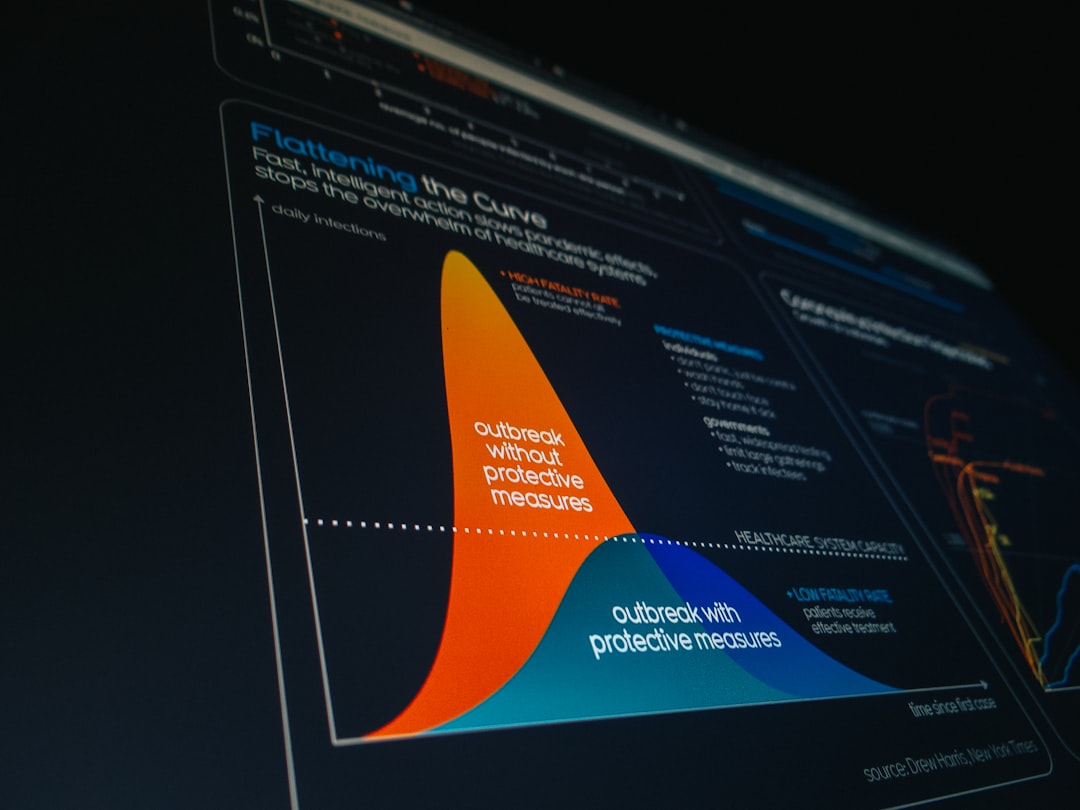
While not as advanced as dedicated analytics suites, Shopify Analytics gives growing ecommerce brands immediate visibility into funnel performance.
5. Heap
Best for: Automatic event tracking without heavy engineering support.
Heap distinguishes itself by automatically capturing every user interaction without requiring extensive manual tagging. This is particularly useful when diagnosing hidden cart leaks that predefined events may miss.
Advantages include:
- Auto-captured clicks, taps, and form submissions
- Retroactive event creation
- Detailed conversion funnel visualization
- Easy collaboration between marketing and product teams
For example, if teams later realize that shipping estimator interactions correlate with drop-off, they can analyze that behavior retrospectively without redeploying tracking code.
Heap is especially valuable for mid-sized ecommerce companies lacking dedicated analytics engineering teams.
6. Contentsquare
Best for: Enterprise-level digital experience analytics.
Contentsquare uses AI-driven behavioral analysis to detect friction across ecommerce journeys at scale. It transforms user interactions into visual journey maps and impact scores.
Key strengths:
- Zone-based heatmaps
- Revenue impact quantification
- Error and frustration detection
- Dynamic journey analysis
Large ecommerce organizations benefit from its ability to prioritize issues by lost revenue. Instead of simply reporting drop-off percentages, it estimates the precise financial impact of checkout friction.

This revenue-centric approach allows leadership teams to justify UX and development investments confidently.
7. Lucky Orange
Best for: Real-time visitor monitoring and affordability.
Lucky Orange combines session recordings, live chat, heatmaps, and funnel tracking into a cost-effective package suitable for small to mid-sized ecommerce businesses.
Core cart analysis features:
- Real-time visitor tracking
- Conversion funnel reporting
- Form analytics to detect problematic fields
- Chat engagement to reduce checkout abandonment
One of its standout benefits is the ability to proactively engage shoppers through live chat when hesitation is detected during checkout.
How Ecommerce Teams Combine These Tools
High-performing ecommerce teams rarely rely on just one platform. Instead, they combine quantitative and qualitative tools:
- GA4 or Mixpanel for macro funnel insights
- Hotjar or Lucky Orange for behavior visualization
- Heap for comprehensive interaction capture
- Contentsquare for enterprise prioritization
This layered approach ensures teams can:
- Identify where users drop off
- Understand why they drop off
- Estimate financial impact
- Test improvements
The result is a more scientific and repeatable checkout optimization process.
Common Funnel Leaks These Tools Identify
Across thousands of ecommerce sites, cart analytics tools frequently expose similar friction points:
- Unexpected shipping fees revealed too late
- Forced account creation
- Slow-loading checkout pages
- Promo code distraction
- Payment processor errors
- Mobile form usability issues
Without specialized analytics tools, these leaks often go unnoticed because revenue still appears steady at the macro level. However, incremental checkout improvements can increase total revenue by 10–30% without adding additional traffic.
Choosing the Right Tool for Your Team
When selecting a cart analytics tool, ecommerce decision-makers typically evaluate:
- Business size and traffic volume
- Technical resources available
- Budget
- Required data depth
- Integration with existing marketing stack
Startups may favor tools like Lucky Orange or Shopify Analytics due to simplicity. Scaling brands often add Hotjar and Mixpanel. Enterprise operations commonly integrate GA4 with Contentsquare for full-funnel governance.
Ultimately, the best solution aligns with the company’s optimization maturity and decision-making culture.
FAQ
1. What is cart analytics in ecommerce?
Cart analytics refers to tracking and analyzing user behavior specifically within the shopping cart and checkout funnel. It identifies where shoppers abandon their purchase and why.
2. What is considered a good cart abandonment rate?
While rates vary by industry, a cart abandonment rate below 60% is generally considered strong. However, the goal should always be continuous improvement rather than benchmarking alone.
3. Do small ecommerce businesses need advanced cart analytics tools?
Not necessarily. Smaller businesses often start with built-in platform analytics and affordable session recording tools. As traffic and revenue grow, more advanced platforms become beneficial.
4. How do session recordings help reduce cart abandonment?
Session recordings reveal real user struggles, such as confusion, repeated clicks, or form errors. These insights allow teams to fix usability problems that traditional analytics cannot explain.
5. Can cart analytics increase revenue without increasing traffic?
Yes. By fixing checkout friction and improving user experience, businesses can convert more existing visitors, increasing revenue without additional marketing spend.
6. How often should ecommerce teams analyze funnel data?
High-performing teams monitor cart and checkout analytics weekly and conduct deeper performance reviews monthly or after significant site changes.
In a competitive ecommerce environment where customer acquisition costs continue rising, diagnosing and repairing funnel leaks is one of the highest ROI activities available. The right combination of cart analytics tools enables ecommerce teams to transform guesswork into data-driven growth strategies that consistently boost conversions and revenue.