With the exponential growth of image-sharing platforms and social media, facial recognition tools have become a subject of great interest and concern. From law enforcement to online security and even marketing, the ability to identify a person’s face across multiple web platforms is shifting from science fiction into an everyday reality. Artificial intelligence (AI) plays a vital role in powering these facial recognition and face-matching capabilities, making it easier than ever to link a face to multiple online identities or appearances.
TLDR
Facial recognition technology has advanced to the point where modern AI tools can match faces across thousands of websites and platforms with impressive accuracy. Whether used for investigative purposes or to track online impersonation, these tools tap into deep learning, neural networks, and cloud-based computing. While they offer powerful functionalities, they also raise significant ethical considerations about privacy and consent. Below are seven leading AI tools at the forefront of this facial matching revolution.
1. Clearview AI
Clearview AI is arguably the most well-known—and controversial—facial recognition tool used globally. Developed for law enforcement purposes, this AI-driven platform scrapes publicly available images from social media platforms like Facebook, LinkedIn, and Twitter to create a massive database.
- Accuracy: Clearview claims to have over 3 billion images in its database, allowing it to cross-reference faces with high accuracy.
- Use Cases: Primarily used by police forces and investigative agencies.
- Concerns: Raises questions about privacy and unauthorized data scraping.
Its ability to pull in data from the open web means even a casual selfie can be matched to a profile, event post, or comment thread somewhere online.
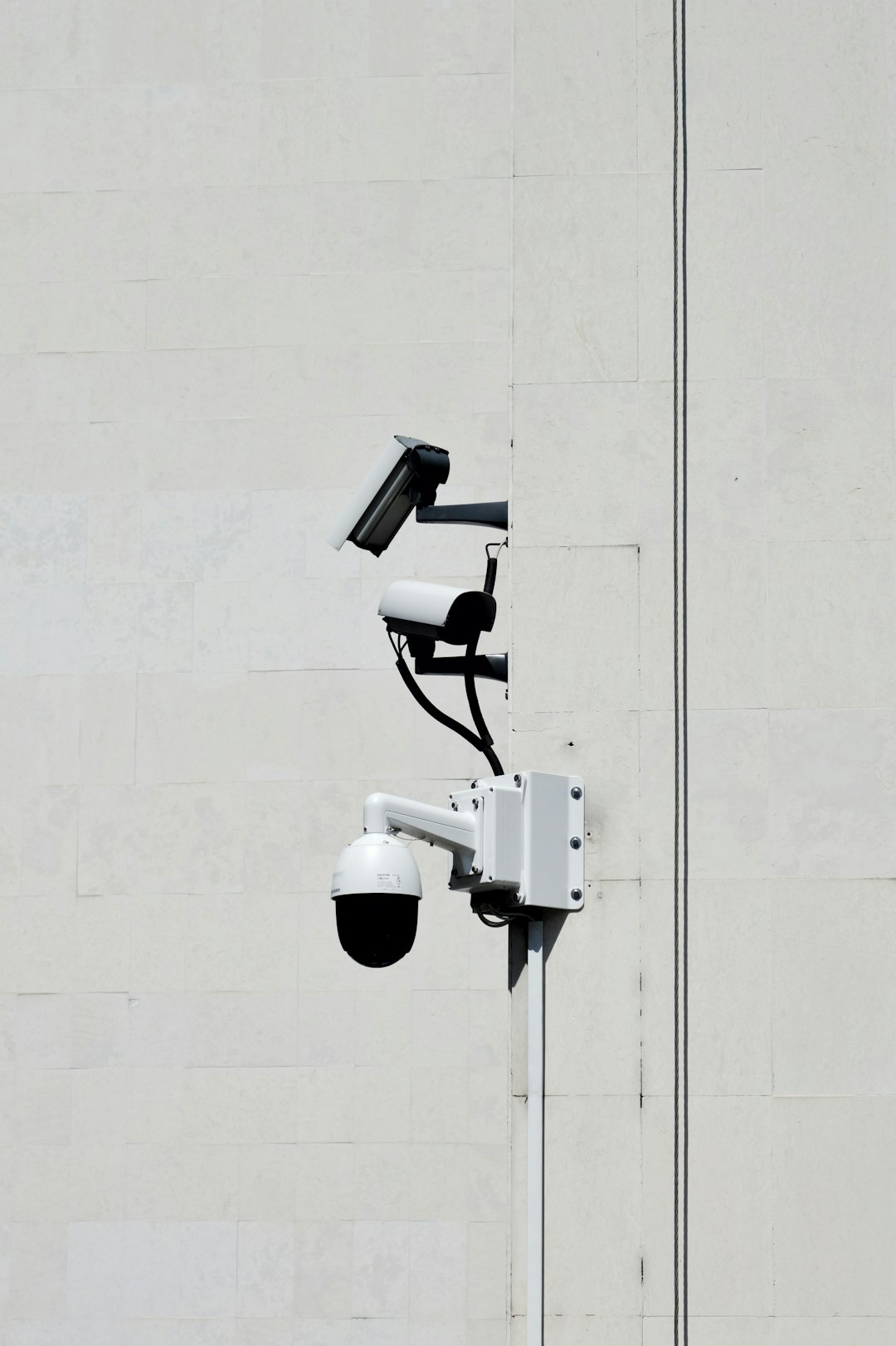
2. PimEyes
PimEyes is a publicly available image search engine powered by facial recognition AI. Unlike Clearview AI, PimEyes is accessible to individual users, including journalists, job seekers, and privacy-conscious individuals.
- Functionality: Users upload a photo and receive a list of URLs where that face appears online.
- User Control: Offers features that allow you to track or remove images from search results.
- Accessibility: Subscription-based but open to the public.
Designed for more legitimate and ethical use cases, it has become popular among people who want to monitor misuse of their photos online or find unauthorized portrayals.
3. Face++
Face++, developed by the Chinese company Megvii, offers powerful facial recognition APIs for developers integrating face-matching into applications or systems.
- Capabilities: Offers face comparison, detection, and analysis functionalities.
- Integration: Ideal for developers wanting to embed facial recognition features.
- Enterprise Use: Used in security solutions, mobile applications, and smart devices.
Face++ has found widespread adoption in various commercial sectors due to its scalable and customizable features.
4. FindClone
Originally launched in Russia, FindClone allows users to find people on VKontakte (VK), Russia’s largest social media network, using only facial images.
- Network Focus: Specializes in searching through verified VKontakte profiles.
- Ease of Use: Simple interface that requires just one facial photo for querying.
- Privacy Issue: Relatively lax on user authentication and data restrictions.
Although somewhat regional in scope, FindClone demonstrates the niche applications of AI in localized social media platforms, making it a powerful tool in specific contexts.

5. Amazon Rekognition
Amazon Web Services (AWS) offers Rekognition, a cloud-based image and video analysis service that includes facial recognition among many other capabilities.
- Enterprise Scale: Used by businesses and governments for security and analytics.
- Real-time Recognition: Supports real-time face tracking and identification.
- Versatility: Integrates with image metadata, emotion analysis, and body pose detection.
Given its enterprise support and scalability, Rekognition is often used for both security surveillance and user authentication across large digital infrastructures.
6. TrueFace
TrueFace offers facial recognition solutions tailored towards secure physical environments, aiming to bring AI to the edge by optimizing for local deployment on IoT devices.
- Edge AI: Works well with security cameras, smartphones, and access control systems.
- Data Privacy: Offers on-premise deployment options with minimal cloud dependency.
- Use Cases: Ideal for secure office spaces, schools, and government institutions.
Although it doesn’t crawl the open web, it’s worth noting because of its precision and privacy-focused design — something rare in the world of biometric software.
7. Social Mapper
Social Mapper is a unique open-source tool that combines facial recognition with social engineering, useful mainly in cybersecurity training and penetration testing environments.
- Open Source: Users can access its GitHub repository and customize features.
- Cross-Platform Matching: Searches platforms like LinkedIn, Facebook, and Twitter.
- Targeted Use: Popular with ethical hackers for red team scenarios.
Social Mapper shows just how diverse the application of facial-matching AI can be—even stretching into ethical hacking and corporate security audits.
Ethical and Legal Implications
All these tools offer remarkable technical capabilities, but they come with strings attached. The concerns range from unauthorized usage of personal data to the potential for misuse in surveillance and stalking. The expansion of such technologies forces governments and developers to think critically about the balance between innovation and privacy.
Tools like Clearview AI and FindClone operate in gray areas of the law, while others like TrueFace and Amazon Rekognition emphasize consent and regulated use cases. The broader public is encouraged to be aware of which parts of their digital identity are publicly accessible—and potentially subject to facial recognition.
Conclusion
Facial recognition AI tools are here to stay, and their capabilities will only improve. While they offer undeniable benefits such as fraud detection, missing person tracking, and content moderation, they also present many challenges for digital privacy. Consumers, lawmakers, and developers must work in tandem to establish ethical boundaries and ensure these AI innovations are used responsibly.
FAQ
- Q: Are facial recognition tools legal to use?
A: Legality varies by region. In the US, some cities have banned their use in public surveillance, while in others, it’s permitted under strict conditions. Always check your local laws. - Q: Can I remove my photos from databases like Clearview AI or PimEyes?
A: PimEyes offers an opt-out service, but Clearview AI generally does not honor individual removal requests. Legal action might be required for removal. - Q: Do these tools work in real-time?
A: Some services like Amazon Rekognition offer real-time capabilities, while others are more suited for retrospective querying and analysis. - Q: How do these tools gather facial data?
A: Most scrape publicly available images from social media and websites. Others rely on user uploads or integration with on-site cameras. - Q: Are there privacy-focused alternatives available?
A: Tools like TrueFace allow data to be processed locally, avoiding centralized cloud storage and offering a more privacy-conscious approach.