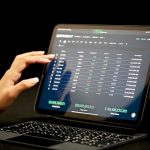
Managing a fleet of vehicles is no small task. Whether you oversee five vans or five hundred trucks, keeping track of assets, drivers, fuel usage, maintenance schedules, and routes can quickly become overwhelming without the right technology. Modern fleet management tools simplify this complexity by centralizing data, automating reporting, and providing real-time insights that help businesses reduce costs and improve operational efficiency.
TLDR: Fleet management tools help businesses track vehicles in real time, monitor driver behavior, manage maintenance, and optimize routes. From GPS tracking systems to fuel management and telematics platforms, these tools increase efficiency and reduce costs. Choosing the right combination depends on fleet size, industry, and operational goals. The six tools below represent some of the most effective systems available for improving vehicle tracking and fleet performance.
Below are six essential fleet management tools that can transform the way you track and manage vehicles.
1. GPS Vehicle Tracking Systems
At the heart of most fleet management solutions is GPS vehicle tracking. This technology provides real-time location data for every vehicle in your fleet, allowing managers to see exactly where assets are at any given moment.

Modern GPS tracking systems offer much more than simple location updates. They typically include:
- Real-time vehicle location tracking
- Route history playback
- Geofencing alerts
- Idle time monitoring
- Speed tracking and notifications
Geofencing is particularly useful for companies that manage delivery zones or restricted operating areas. When a vehicle enters or exits a designated boundary, the system automatically triggers an alert. This adds an additional layer of security and operational oversight.
GPS tracking also improves customer service. Dispatchers can provide accurate arrival times, reroute drivers in case of traffic congestion, and respond to unexpected delays more efficiently.
2. Telematics Systems
Telematics goes beyond location tracking by integrating vehicle diagnostics, driver behavior monitoring, and performance analytics into a single system. These solutions connect directly to a vehicle’s onboard diagnostics (OBD) system, collecting critical operational data.
Key telematics features include:
- Engine health diagnostics
- Harsh braking and acceleration tracking
- Fuel consumption metrics
- Vehicle fault code alerts
- Battery and engine temperature monitoring
This data helps fleet managers identify issues before they turn into costly breakdowns. For instance, if telematics detects repeated engine warning codes, maintenance can be scheduled proactively rather than reactively.
Additionally, monitoring driving behavior promotes safer habits. By tracking speeding, rapid lane changes, or excessive idling, managers can coach drivers toward better practices, ultimately reducing accidents and insurance costs.
3. Fleet Maintenance Management Software
Unexpected repairs can derail operations and lead to expensive downtime. Fleet maintenance management software automates service scheduling, tracks repair history, and ensures compliance with safety regulations.

Instead of relying on spreadsheets or manual reminders, this software:
- Schedules preventive maintenance automatically
- Sends alerts for oil changes and inspections
- Tracks maintenance costs per vehicle
- Stores digital service records
- Monitors parts inventory
By keeping vehicles properly maintained, fleets extend asset lifespans and reduce long-term expenses. Preventive service is almost always more affordable than emergency repairs.
Maintenance tools also support regulatory compliance. Industries such as transportation, construction, and logistics must adhere to strict safety standards. Automated recordkeeping makes audits simpler and more transparent.
4. Fuel Management Systems
Fuel is one of the largest operating expenses for most fleets. A dedicated fuel management system helps control consumption, detect fuel theft, and optimize efficiency.
These systems typically integrate with GPS and telematics platforms to provide comprehensive insights, including:
- Fuel usage per vehicle
- Fuel cost per mile
- Fuel card transaction tracking
- Unauthorized fueling alerts
- Idle time fuel waste calculations
By analyzing fuel data, managers can identify underperforming vehicles or inefficient routes. For example, excessive idling not only wastes fuel but also increases engine wear. Monitoring and reducing idle time can significantly cut costs.
Some advanced systems also provide carbon emission reporting, helping organizations meet sustainability goals and track environmental impact.
5. Route Optimization and Dispatch Software
Efficient routing is critical for timely deliveries and satisfied customers. Route optimization software uses algorithms and real-time traffic data to determine the most efficient paths for vehicles.

Key benefits include:
- Reduced fuel consumption
- Shorter delivery times
- Improved asset utilization
- Dynamic rerouting during traffic disruptions
- Automated dispatch scheduling
Instead of manually planning routes, dispatchers can rely on intelligent systems that consider traffic patterns, delivery windows, road restrictions, and vehicle capacity. This reduces human error and boosts productivity.
For large fleets operating across multiple regions, dynamic routing ensures drivers avoid congestion and delays. The result is improved on-time performance and greater customer satisfaction.
6. Driver Management and Safety Monitoring Tools
Your drivers play a central role in fleet performance. Driver management tools focus on improving safety, accountability, and compliance through performance tracking and reporting.
Common features include:
- Driver scorecards
- Safety violation alerts
- Dashcam integration
- Hours-of-service tracking
- Training and coaching modules
Driver scorecards rank operators based on metrics such as speeding, harsh braking, and adherence to routes. Managers can use this information to reward safe driving or provide corrective training where needed.
Dashcams add another layer of protection by recording on-road events. In the case of accidents or disputes, video evidence can clarify what occurred, reducing liability and protecting both the company and its drivers.
For fleets operating under regulatory frameworks, hours-of-service tracking ensures compliance with driving time limits. Automated logs replace paper records, minimizing errors and preventing costly fines.
How to Choose the Right Fleet Management Tools
While these six tools provide robust tracking capabilities, selecting the right solution depends on several factors:
- Fleet size: Small fleets may need basic GPS tracking, while larger operations benefit from integrated telematics.
- Industry requirements: Construction fleets have different needs than last-mile delivery services.
- Budget considerations: Subscription-based systems vary widely in price and features.
- Integration capabilities: Ensure compatibility with existing accounting or enterprise systems.
- Scalability: Choose a solution that can grow as your fleet expands.
Ideally, businesses should look for platforms that combine multiple tools into a unified dashboard. Having GPS tracking, maintenance scheduling, and driver monitoring in one system reduces complexity and improves visibility.
The Future of Fleet Vehicle Tracking
The next generation of fleet management tools will rely heavily on artificial intelligence, predictive analytics, and automation. AI-powered platforms already analyze historical data to predict mechanical failures and optimize routing based on evolving traffic patterns.
Electric vehicle integration is also becoming increasingly important. Advanced tracking systems now monitor battery health, charging cycles, and energy consumption for electric fleets.
As data becomes more sophisticated, fleet managers gain deeper insights into operational efficiency, sustainability, and cost control. These advancements not only enhance productivity but also provide a competitive advantage in industries where speed and reliability matter.
Final Thoughts
Effective vehicle tracking is no longer a luxury—it is a necessity for modern fleet operations. GPS tracking, telematics, maintenance management, fuel monitoring, route optimization, and driver safety tools work together to create a comprehensive management ecosystem.
By investing in the right fleet management tools, businesses can reduce fuel costs, prevent breakdowns, improve driver safety, and deliver better service to customers. In a world where efficiency drives profitability, leveraging technology to track and optimize vehicles is one of the smartest decisions a fleet operator can make.