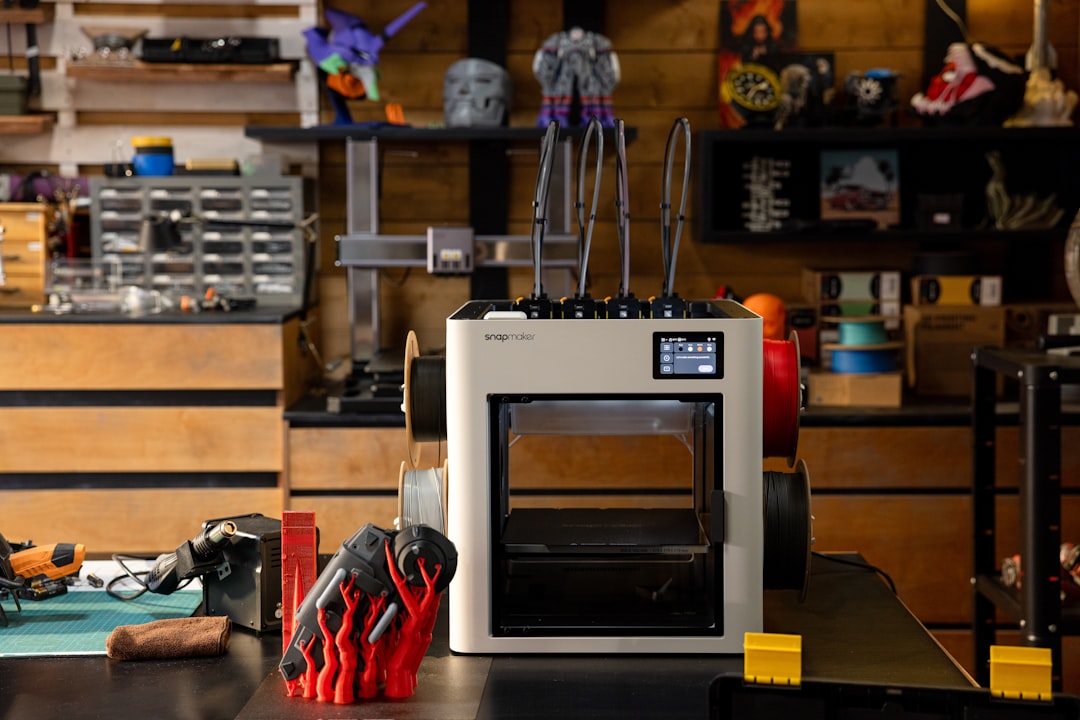
3D printing is one of the coolest technologies out there. It lets you bring your ideas to life, layer by layer. From toys and tools to art and even body parts – yep, 3D printing can do it all! But to get great results, you need the right materials and techniques.
TL;DR
3D printing is amazing but picking the best material and method makes a huge difference. PLA is easy, ABS is strong, and resin is super detailed. Learn basic printing types like FDM and SLA to match with the right material. Combine the right techniques and you’re on your way to becoming a print master!
Best Materials for 3D Printing
Let’s dive into some of the top materials you can use. Each one has pros and cons, and you don’t need to be a scientist to understand them.
1. PLA (Polylactic Acid)
- Beginner-friendly
- Easy to print
- Good for hobby projects
- Biodegradable (eco bonus!)
PLA is the most popular filament. It doesn’t smell bad and doesn’t warp much. Perfect if you’re just starting or want to print colorful models.
2. ABS (Acrylonitrile Butadiene Styrene)
- More durable than PLA
- Heat-resistant
- Needs a heated bed and good ventilation
ABS is better for parts that take a beating, like phone stands or tool handles. But it can be a bit tricky to print.
3. PETG (Polyethylene Terephthalate Glycol)
- Mix of PLA ease and ABS strength
- Water-resistant
- Food-safe (some brands)
PETG is becoming very popular. It’s strong, slightly flexible, and doesn’t warp as bad as ABS. Great for outdoor parts.
4. TPU (Thermoplastic Polyurethane)
- Rubbery and flexible
- Shock-resistant
- Used for tires, gaskets, and bendy toys
This material is fun! It’s like printing with reusable rubber. But you’ll need to slow down your printer for good results.
5. Resin (Photopolymer Resins)
- Super high detail
- Smooth finish
- Needs safety gear and post-processing
Resins are used in SLA and DLP printers. They make awesome miniatures and jewelry. You’ll love the results, just be careful with the chemicals.
Types of 3D Printing Techniques
Now that we know materials, let’s talk printing methods. This part is crucial! Some methods only work with specific materials.
1. FDM (Fused Deposition Modeling)
- Most common type
- Great for beginners
- Uses spools of filament
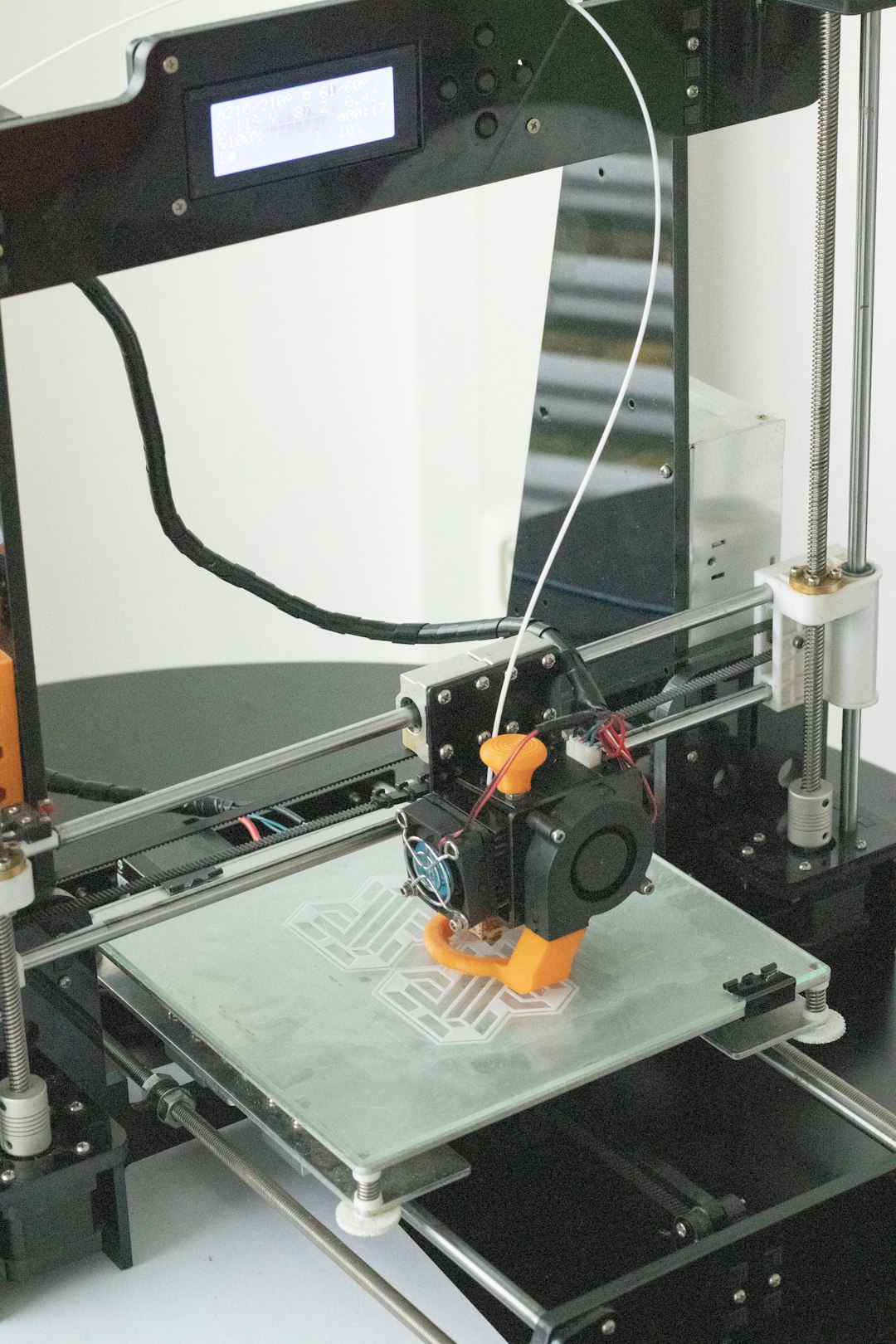
The printer heats a plastic filament and lays it down layer by layer. It’s like a robotic hot glue gun. Popular for PLA, ABS, and PETG prints.
2. SLA (Stereolithography)
- High detail printing
- Uses resin and UV light
- Excellent for small parts and smooth finishes
SLA printers shine a laser into a vat of resin. The resin hardens where the light hits. Great for figurines, dental work, and jewelry.
3. DLP (Digital Light Processing)
- Faster version of SLA
- Uses projector light instead of laser
DLP is similar to SLA but uses a digital projector. Each layer is cured all at once, making it faster. Good for medium-size projects needing high detail.
4. SLS (Selective Laser Sintering)
- Industrial-level technique
- Uses powdered material
- No support structures needed
SLS isn’t common at home but is awesome in factories. A laser melts powder layer by layer. Used for strong parts like gears or car pieces.
Tips for Better 3D Prints
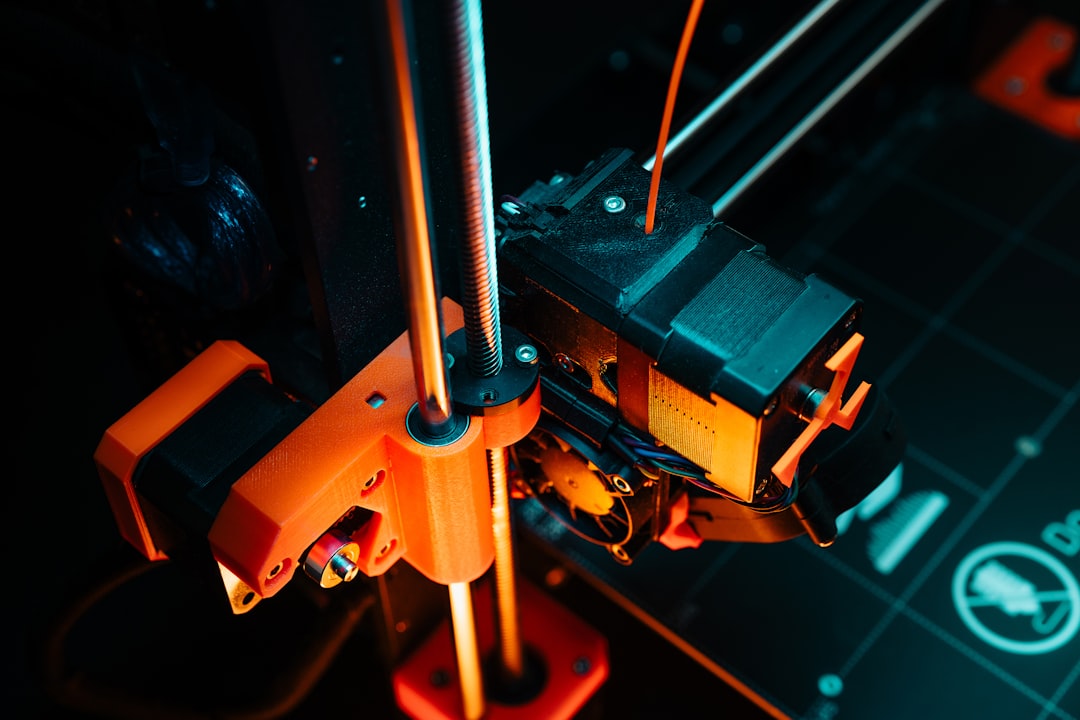
Let’s be honest, you won’t get perfect prints from day one. But that’s part of the fun! Follow these tips to improve your 3D printing game:
- Level your bed. Always. A flat bed means a good start layer.
- Check your temperature. Make sure it matches your filament.
- Slow down for better details. Especially with flexible or resin prints.
- Use supports when needed. Overhangs need help to stay upright!
- Clean your printer. A clean nozzle = happy prints.
When to Use What?
Feeling confused about what material and method goes where? Here’s a quick cheat list!
If you’re printing:
- Simple models or toys: Use PLA with FDM
- Functional parts: Use PETG or ABS with FDM
- Miniatures or figurines: Resin with SLA or DLP
- Phone cases or tires: TPU with FDM (slow and steady!)
- Prototypes or industrial parts: SLS with nylon powders
The Future of 3D Printing
3D printing is already changing the world. Soon, we might see 3D-printed houses or even meals!
Exciting trends include:
- Multi-material printing – mix soft and hard parts in one print
- Recycled filament – better for the planet
- Metal printing – maybe you’ll print your own tools one day
Conclusion
3D printing is a mix of creativity, science, and a little magic. Choosing the right material and method is key. Start with PLA and FDM if you’re new. Then explore resin printing for extra detail. Play around, make mistakes, and enjoy the journey!
Remember: Practice makes perfect, and each failure is just one step closer to a flawless print.